Analyzing global urban development trends, material lifespans, and commercial furniture compliance standards.
In the architectural design of modern public spheres, corporate campuses, hospitality spaces, and municipal centers, the humble wooden bench serves as a cornerstone of biophilic planning. No longer is a public bench evaluated solely on basic seating functionality. Today's commercial architects and procurement directors assess street and park furniture through the lens of structural engineering, timber lifecycle assessments, environmental footprint metrics, and long-term durability under varying climatic stress zones.
This comprehensive industry analysis reviews the technical advancements, sourcing dynamics, and leading manufacturing methodologies that define the global wooden bench supply chain. We explore the materials chemistry that prevents localized decay, the mechanical engineering standards required to handle high-stress public use, and the logistical architectures designed to minimize international freight risks.
Utilization of hot-dip galvanizing, organic wood treatments, and powder coatings that withstand saline environments and extreme freeze-thaw cycles without delamination.
Engineering wood joints with precise mortise-and-tenon arrangements backed by commercial-grade CNC detailing to ensure compliance with EN 581 loading requirements.
Guaranteeing timber legality and supply chain sustainability through globally recognized certifications like FSC and PEFC, satisfying modern green-building standards.
Quality, Innovation, and Excellence in Outdoor and Commercial Furniture Solutions
Established in 2008 in Suzhou, China, Suzhou TwinVibe Furniture Co., Ltd. has grown into a premiere high-capacity manufacturer specializing in custom commercial-grade outdoor site furniture. For over a decade and a half, the enterprise has optimized its processes to serve high-traffic municipal zones, hotel chains, public gardens, educational spaces, and modern restaurants globally.
Our commitment to excellence dictates that every design, whether structured as solid Teak benches, structural WPC seating, or hybrid cast-aluminum structures, meets rigid structural specifications. By combining heavy timber milling capabilities with top-tier metal processing technologies—such as hot-dip galvanizing and multi-layer zinc spray with protective powder coatings—we ensure that TwinVibe products maintain structural integrity and resist oxidation even in aggressive maritime environments.
Suzhou TwinVibe provides tailored solutions according to technical drawings, permitting landscape designers and engineering procurement construction (EPC) companies to implement bespoke geometries without compromising load capabilities. Through this flexible model, our premium product ranges have been successfully exported to markets in East and Southeast Asia, Europe, the Americas, the Middle East, and Africa.
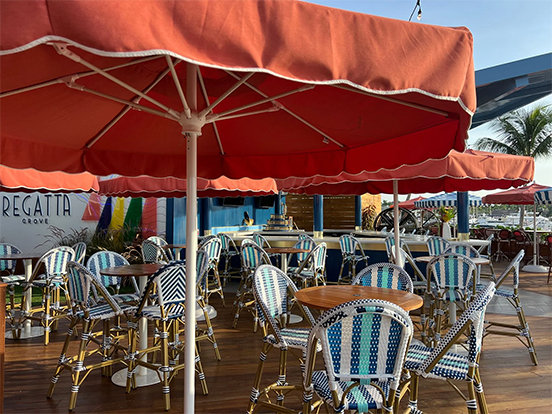
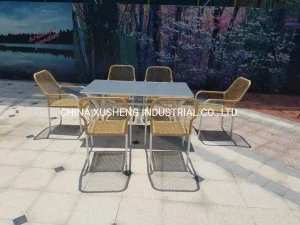
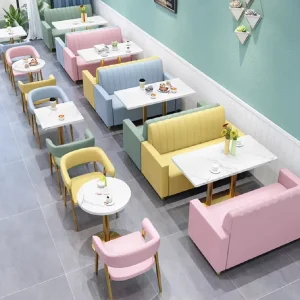
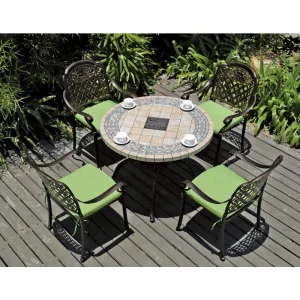
Suzhou TwinVibe Production Output: Precision Outdoor Dining & Custom Seating Installations.
Quantifying our industrial capability, global footprint, and quality controls.
How materials science, smart technology integration, and biophilic design shape next-generation public seating.
Standard kiln drying is being replaced by chemical alteration methods like acetylation (such as Accoya technology) and thermal modification. By baking timber in oxygen-deprived environments above 180°C, the cell wall structures are altered, reducing moisture absorption by up to 90% and virtually eliminating rot, warping, and termite infestation.
Future urban wooden benches act as interactive infrastructure hubs. Integrating high-efficiency solar cells, wireless phone charging pads, environmental air quality sensors, and LED lighting transforms traditional wooden benches into smart city modules. Designers must combine robust wood construction with hidden protective conduit routing for electrical safety.
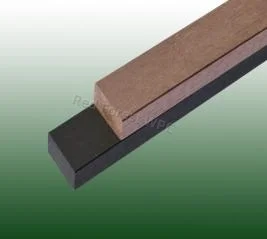
Combining structural plastics with recycled timber byproduct flour results in advanced Wood-Plastic Composites (WPC). These materials maintain the warmth of wood aesthetics while delivering near-zero maintenance requirements. Ongoing research is introducing biodegradable plant-based binders to replace traditional petroleum resins, pushing composite seating closer to negative net carbon footprints.
Traditional varnish flakes away under UV degradation. Modern coatings use nanotechnology to deliver UV-absorbers and self-healing micro-capsules directly into wood pores. When the surface gets micro-scratched, these capsules rupture to release oil-like monomers that fill the gap, preserving the underlying timber from moisture ingress.
Deploying specialized site furnishings across municipal, educational, and hospitality projects.
Luxury properties demand seating that visually coordinates with high-end architecture while resisting chlorine exposure near pools and dynamic coastal saline air. Solutions incorporate premium plantation-grown solid teak furniture, combined with powder-coated marine-grade aluminum subframes. Through precise finishing and concealed joints, these structures withstand sun, rain, and heavy patron use while preserving their upscale design language.
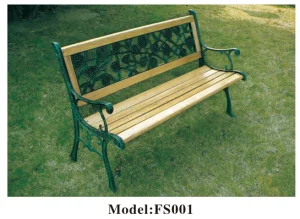
Public parks, transit terminals, and pedestrian pathways require anti-vandalism features and extreme load-bearing profiles. Manufacturers focus on high-thickness cast-iron or heavy steel plates alongside heavy wood planks (typically Ipe or composite woods). Standard safety testing calls for EN 581 and ASTM load compliance, with robust ground-anchor points that protect public infrastructure from heavy mechanical loads and physical tampering.
University campus landscapes and tech headquarters require layouts that promote study collaboration and outdoor social spaces. Integrated wood-metal benches and picnic sets provide ergonomic desk heights, integrated cable management systems, and anti-graffiti finishes. Modern educational furnishings prioritize versatility, using modular designs that allow spaces to shift easily from independent study areas to group meeting zones.
High-density outdoor dining areas face oil spills, food waste acids, and frequent chemical sanitation cleanings. Benches intended for commercial dining must feature specialized surface coats that prevent wood pores from harboring food particles and moisture. Applying oil-resistant polyurethanes or using high-performance composite woods ensures the seating surfaces remain sanitary and easy to clean over long operational lifespans.
How automated production and advanced logistics keep custom timber products cost-effective and on-schedule globally.
The global furniture supply chain faces challenging lead times, fluctuating raw timber costs, and demanding shipping requirements. In response, modern manufacturing facilities in China have transitioned to Industry 4.0 methodologies to remain resilient and efficient. By integrating design, material sourcing, and robotic production, manufacturers deliver high precision at scale while reducing material waste.
Milling hardwood components using 5-axis computer-numerical-control (CNC) machines guarantees consistent dimensions. Joints remain tight without depending on heavy manual adhesive applications, ensuring structural integrity even under seasonal expansion and contraction.
Enterprise Resource Planning (ERP) databases track timber from raw log importation to processing and final delivery. This tracking helps control overhead costs and ensures predictable lead times for international projects.
Manufacturing facilities in Suzhou, China, benefit from nearby transport hubs. Direct access to Taicang Port, Shanghai Port, and transcontinental rail networks allows manufacturers to arrange shipping rapidly, keeping international project schedules on track.
A reference checklist for architects, civil engineers, and contract furniture specifiers.
Procuring commercial-grade site furniture requires evaluating materials and designs against diverse international standards. The table below highlights key parameters B2B buyers should evaluate to verify product performance and longevity.
| Procurement Parameter | Technical Benchmark / Standard | Target Engineering Criteria |
|---|---|---|
| Timber Legality & Ecology | FSC Certification / PEFC Standards | Timber sourced from verified sustainable forests, providing full chain-of-custody documentation to satisfy green building standards like LEED. |
| Structural Mechanical Integrity | BS EN 581-1 / EN 581-2 (Contract Level) | Seating must support static loads up to 400kg, demonstrating fatigue resistance and stability under uneven loading conditions. |
| Metal Corrosion Protection | ISO 1461 (Hot Dip Galvanizing) / ASTM B117 | Coatings must survive 1,000+ hours of continuous salt-spray testing without showing red rust or surface blistering. |
| Accessibility Standards | ADA (Americans with Disabilities Act) Section 36 | Benches must maintain clear seat heights between 17 and 19 inches, featuring back support and stable armrests to assist users. |
Enabling seamless integration into localized projects through complete documentation and building code support.
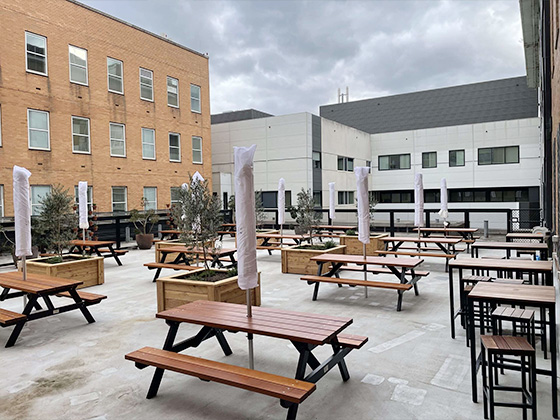
Australian Project: Premium commercial wooden picnic sets and bar tables configured for coastal public plazas.
When ordering street furniture internationally, success relies on clear documentation and strict compliance with local codes. Public spaces, schools, and private plazas have unique requirements regarding dimensions, material safety, and installation hardware. Leading global manufacturers provide complete support package guarantees:
Essential guidance on wood selection, preservation technologies, and order parameters.
Let's collaborate to build durable, elegant public spaces with precision-engineered seating systems.
At Suzhou TwinVibe Furniture, our team helps turn your concepts into reality. Whether you need customized dimensions, specialized timber treatments, or assistance with local building compliance, we are ready to assist. Contact our sales engineers to discuss custom solutions for your next park, restaurant, hotel, or school project.
 TwinVibe Furniture