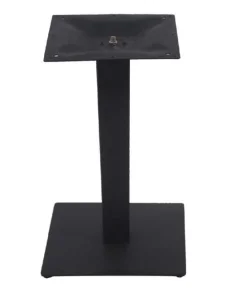
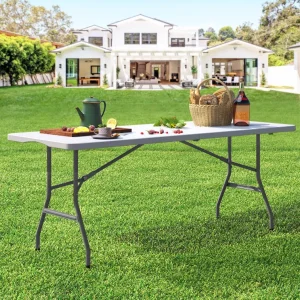
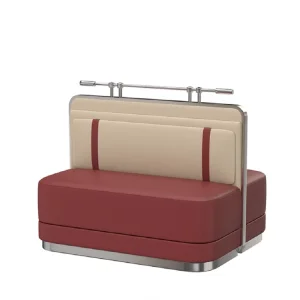
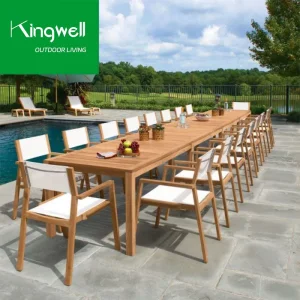
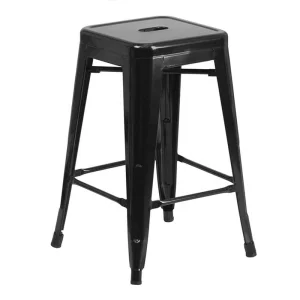
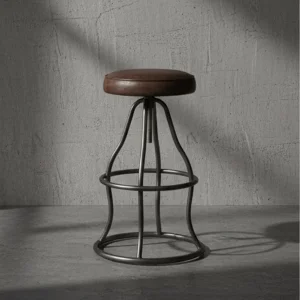
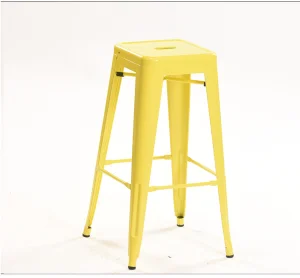
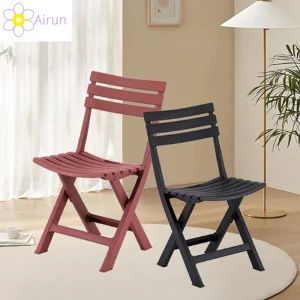
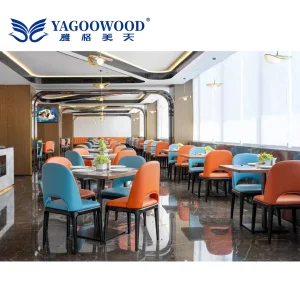
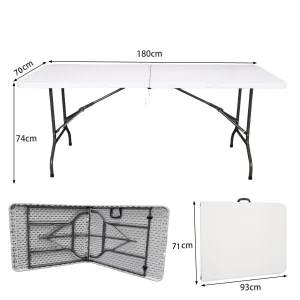
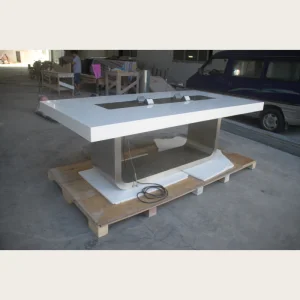
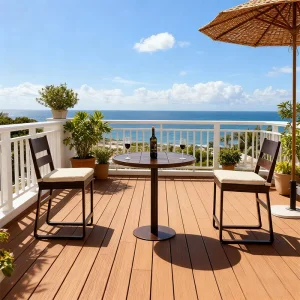
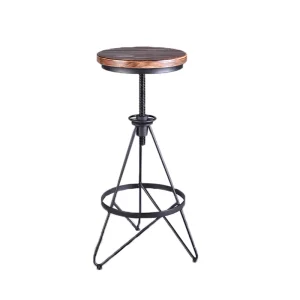
High-performance structural bases designed for integration with premium cushion solutions, built to withstand intensive public and commercial use.
In the global B2B procurement environment, chair cushions are no longer considered simple accessories; they are vital components of ergonomic design, longevity, and brand representation. Whether deployed in five-star hotels, high-traffic corporate spaces, municipal parks, or luxury dining outlets, a cushion's structural integrity dictates the lifespan of the furniture it accompanies.
This whitepaper details the engineering, material parameters, and supplier audit criteria necessary for selecting high-volume chair cushion manufacturing partners. As modern commercial environments transition towards hybrid work layouts and durable outdoor zones, factories must deploy advanced high-density polymers, sustainable weatherproofing coatings, and robust flame-retardant barriers to satisfy strict regional compliance mandates.
Auditing a factory requires looking past wholesale prices and examining technical output indicators:
Mapping out the logistics, material shifts, and operational challenges across different international manufacturing centers.
China, led by regional clusters in Zhejiang, Jiangsu, and Guangdong, represents over 60% of the world's commercial cushion export capacity. Utilizing automated cutting tables, advanced CNC stitching systems, and nearby raw material bases, factories here deliver fast turnaround times and custom fabric processing. Regions like Suzhou excel in pairing metal frame fabrication with high-performance cushions.
The push for sustainable commercial zones has altered material pipelines. Leading factories are replacing traditional petroleum-derived foams with castor-oil-based polyols and recycled PET fiber fillings. Fabrics are shifting from chemical-heavy topical coatings to inherent stain-resistant yarns, ensuring long-term performance without shedding harmful microplastics during washing cycle tests.
Post-pandemic commercial supply chains demand regional distribution partnerships and reliable shipping networks. Leading global cushion brands maintain strategic warehousing in Europe and North America to bypass long cargo delays, allowing contract furniture dealers to coordinate installation phases across commercial sites without interruption.
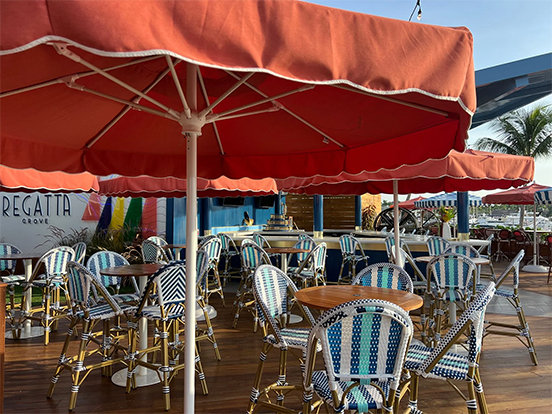
Quality, Innovation, and Excellence in Outdoor and Commercial Furniture Solutions
Founded in 2008, Suzhou TwinVibe Furniture Co., Ltd. has grown into a key manufacturer of high-grade outdoor and commercial furniture. Based in Suzhou, China, we are recognized for creating high-performance products that combine aesthetic appeal, utility, and comfort in commercial indoor and outdoor spaces.
We believe every piece of commercial furniture must reflect precise craftsmanship and answer the practical needs of public spaces. With over a decade of hands-on expertise, we create custom furniture projects for diverse settings, including schools, parks, offices, hotels, and food service venues.
Our engineering capabilities feature advanced steel treatments, including hot-dip galvanizing and zinc spray with protective powder coating, ensuring our structural products remain highly durable in harsh environmental conditions.
Understanding the internal layers, technical textiles, and structural frame integrations that drive commercial durability.
Premium seating relies on double-density cores. High-Resiliency (HR) polyurethane foam (35 to 45 kg/m³) provides essential structural support, wrapped in a softer Dacron polyester sleeve. This hybrid setup retains its shape over thousands of compression cycles, avoiding the bottoming-out issues associated with cheaper utility foams.
For outdoor venues, factories use reticulated open-cell polyurethane foams. These foams feature large, open pores that allow rainwater to pass through rapidly rather than trapping moisture. Paired with water-resistant mesh bottom panels, they prevent mold and allow cushions to dry quickly after rainfall.
Outdoor fabrics need UV resistance at the yarn level. Solution-dyed acrylics mix color pigments into the liquid polymer before spinning the fibers. This process ensures high colorfastness (Grade 7-8 under ISO 105 B02), keeping fabrics bright even after prolonged exposure to intense sunlight.
Adapting cushion structures to the exact needs of target industries.
Our engineering services focus on delivering customized products. We produce unique designs based on client technical drawings or build tailored prototypes to resolve field challenges. Whether equipping public parks, academic institutions, bustling restaurants, or premium hotels, our furniture setups are built to improve user comfort and long-term durability.
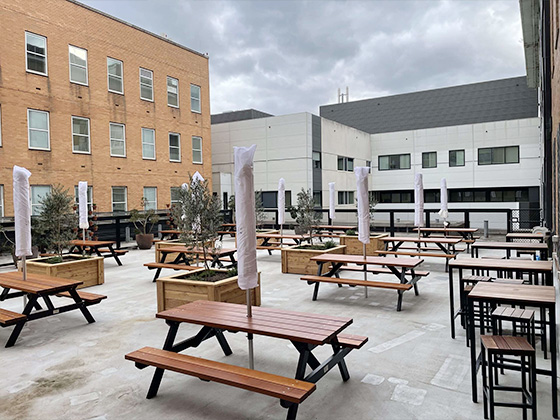
An example of our outdoor capabilities is our municipal development project in Australia. This project required building heavy-duty steel park benches and large picnic tables capable of handling high coastal humidity and constant sun exposure. By combining zinc-sprayed, powder-coated steel bases with dense, weather-resistant cushions, we delivered a long-lasting public seating solution that stood up to harsh marine conditions.
Ensure that your selected factory meets the regulatory, safety, and operational standards required for global trade.
For US commercial markets, cushions must pass CAL 117 (Technical Bulletin 117-2013) smolder tests. For European markets, BS 5852 (Crib 5) regulations dictate the level of flame retardancy required for public spaces like hotels and theaters.
Working with factories certified under CertiPUR-US or Oeko-Tex Standard 100 guarantees that raw foams are manufactured without formaldehyde, heavy metals, ozone depleting chemicals, or harmful phthalates, keeping indoor air clean.
Verify that your manufacturer employs strict ISO 9001:2015 Quality Management Systems. Operational checkpoints should cover raw materials checking, digital precision cutting, stitch-strength checks, and final drop-weight testing.
Innovating production processes to meet the smart and green demands of tomorrow's commercial spaces.
Deploying automated CNC leather and textile nesting cutters to reduce material waste by 18%. Integrating robotic foam gluing benches helps maintain consistent adhesive layers and ensures long-lasting laminate bonds.
Shifting production lines to use 100% recyclable post-consumer polyester fibers (rPET) for inner batting, and adopting biodegradable bio-polyurethane foams to lower carbon footprints across product lifecycles.
Integrating pressure-mapping sensor systems within seating bases to optimize ergonomic shape designs, alongside antimicrobial coating treatments to satisfy post-pandemic health and safety protocols.
Key questions and industry answers to guide your next commercial seating procurement cycle.
Explore our wide selection of tables, bar stools, and custom booth configurations built to elevate hotels, restaurants, and corporate environments.
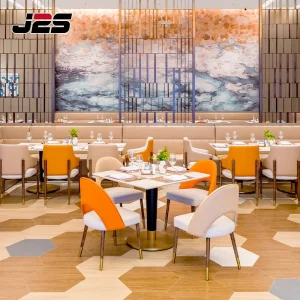
Contact Suzhou TwinVibe Furniture. Our engineering team is ready to provide expert advice, project quotations, and custom material solutions to bring your project designs to life.
Contact Our Engineering Team TwinVibe Furniture