Why is My Outdoor Furniture Rusting and How to Stop It?

Time:2026-05-19 Author:Ethan
0%

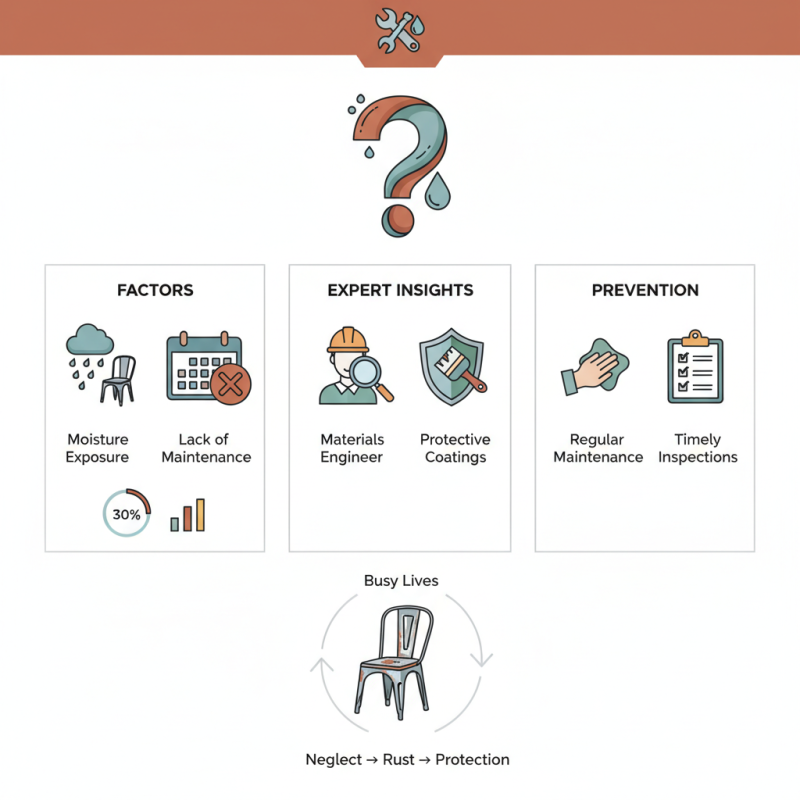
Outdoor furniture adds beauty and functionality to our spaces. However, many homeowners face a common dilemma: rust. “Why is my outdoor furniture rusting and how to prevent it?” is a question raised frequently. According to a 2022 report by the Outdoor Furniture Association, nearly 30% of outdoor furniture owners experience rust-related issues. Factors like moisture exposure and lack of maintenance contribute significantly to this problem.

Expert John Smith, a materials engineer with over 15 years of experience, states, “Understanding the materials and environment can greatly reduce rust formation.” Homeowners often overlook the importance of protective coatings. While it may seem straightforward, selecting the right finish is crucial. Many fail to realize that not all metals resist rust equally.

Preventing rust involves regular maintenance and informed choices. Routine checks and timely inspections can make all the difference. A neglected piece of furniture can quickly become an eyesore. We must reflect on how easy it is to neglect protective measures in our busy lives.
Why is My Outdoor Furniture Rusting and How to Stop It?

Understanding Rust Formation on Outdoor Furniture

Outdoor furniture often falls victim to rust due to environmental factors. Metal furniture, especially when exposed to moisture, can rapidly corrode. According to the National Association of Home Builders, approximately 35% of outdoor furniture users report rust damage within five years of purchase. This statistic highlights a common issue faced by many homeowners.

Rust forms when iron, oxygen, and moisture interact. The presence of salt in coastal areas can accelerate this process significantly. A study published by the American Galvanizers Association states that untreated metal exposed to salty air can begin to show signs of rust within a few months. It's crucial to recognize that even stainless steel can rust if not cared for properly.

Prevention starts with proper maintenance. Regular cleaning and applying protective coatings can significantly reduce rust formation. Covering furniture during harsh weather also helps. However, few homeowners commit to these practices consistently. Reflecting on your care routine can reveal gaps that lead to these issues. Taking action to address maintenance can save both time and money in the long run.

Common Materials Prone to Rusting in Outdoor Furniture

Outdoor furniture enhances our living spaces, but certain materials can easily succumb to rust. Metal components, particularly those made of steel, are often culprits. Steel is prone to oxidation when exposed to moisture. If not treated, this can lead to unsightly rust stains. Aluminum and wrought iron are sometimes used, but they still require attention.

Another material that can disappoint is cast iron. While sturdy, it can rust rapidly in wet environments. Its porous surface traps moisture, accelerating corrosion. Even stainless steel is not immune if used in coastal areas where saltwater presence is high. Care must be taken to maintain these materials in outdoor settings.

Regular cleaning is essential. Wipe surfaces often to remove debris and moisture. Applying protective coatings can help mitigate rust. As much as we love stylish furniture, we should recognize that with beauty comes responsibility. Our outdoor spaces deserve furniture that remains as beautiful as the day we bought it.

Common Materials Prone to Rusting in Outdoor Furniture

Identifying Signs of Rust on Your Outdoor Furniture

Outdoor furniture can enhance your space, but rust is a common problem. Recognizing the signs of rust early can save you from costly repairs. Look for small, reddish-brown spots on metal surfaces. These spots can grow larger over time and can flake off the paint. If you see any bubbling or peeling, rust may already be forming underneath.

Effective maintenance is key. Regularly inspect your furniture for these signs. Clean it frequently using mild soap and water. Dry it thoroughly to prevent moisture accumulation. Consider using protective coatings designed for outdoor gear. Applying a rust-resistant sealant can extend the life of your furniture.

Here are a few tips:
- Store furniture in a dry place during harsh weather.
- Use covers to provide extra protection.
- Treat any rust spots immediately to prevent further damage.

Take the time to care for your outdoor furniture. Small actions can lead to big rewards in longevity and appearance. Stay vigilant, and your outdoor retreat will look its best for years to come.

Preventive Measures to Protect Outdoor Furniture from Rust

Outdoor furniture is an investment. It enhances your patio and provides a space for relaxation. However, rust can undermine its beauty. To prevent rust, understanding the materials used is crucial. Some metals are more susceptible to corrosion, especially when exposed to moisture and humidity. Regularly inspect your furniture for signs of rust. Early detection is key.

One effective preventive measure is to apply a protective coating. This creates a barrier against moisture. Additionally, keep furniture covered when not in use. Using tarps or special covers can significantly reduce exposure to the elements. Moreover, ensuring that furniture is regularly cleaned can minimize rust build-up. Simple soap and water maintenance can go a long way.

Placement matters too. Using outdoor rugs can provide a buffer between furniture and potentially damp surfaces. Furthermore, consider using furniture that is specifically designed for outdoor use. These pieces often have rust-resistant coatings. Despite these measures, sometimes rust can still occur. It’s vital to be proactive and adaptable in protecting your furniture.

Repairing and Restoring Rusted Outdoor Furniture

Outdoor furniture often falls victim to rust, especially when exposed to the elements. Many homeowners overlook the importance of regular maintenance, which can lead to costly repairs. Research shows that metal furniture is particularly prone to corrosion, with studies indicating that over 60% of outdoor metal items will exhibit signs of rust within five years if not properly treated.

Repairing rusted outdoor furniture requires a methodical approach. Begin by assessing the extent of the rust damage. For light rust, a simple scrub with steel wool and a solution of vinegar and baking soda can suffice. However, if the rust is deep, consider sanding it down to the metal. Afterward, applying a rust-inhibiting primer is critical to prevent future outbreaks. It's advisable to use high-quality outdoor paint, designed to withstand moisture and UV exposure.

Restoration can also be an opportunity for personal expression. Homeowners may choose to reupholster or repaint their furniture to give it a fresh look. According to industry reports, repainting can extend the lifespan of outdoor furniture by 30%. Yet, many still neglect this step, missing the chance for both durability and aesthetic enhancement. Reflecting on these practices can lead to more informed choices and better upkeep.

Why is My Outdoor Furniture Rusting and How to Stop It? - Repairing and Restoring Rusted Outdoor Furniture

Material Common Causes of Rust Preventive Measures Repair Techniques
Aluminum Corrosion from moisture and salt Use protective wax; Store in dry place Buff with aluminum cleaner
Steel Exposure to water and air Apply rust-resistant paint; Keep dry Sand down rust; Repaint
Iron Moisture accumulation Use anti-corrosion solutions; Cover when not in use Use rust remover; Seal with paint
Wrought Iron Environmental factors; Poor coating Regularly check for chips in paint; Apply rust-proof primer Scrub with wire brush; Apply rust-inhibiting paint

FAQS

: What causes rust on outdoor furniture?

: Rust forms when iron, oxygen, and moisture interact. This is especially true in humid environments.

How quickly can rust develop on untreated metal furniture?

Untreated metal can show signs of rust within a few months if exposed to salty air.

What are early signs of rust on furniture?

Look for reddish-brown spots or flaking paint. Bubbling or peeling may indicate rust underneath.

How can I prevent rust on my outdoor furniture?

Regular cleaning, protective coatings, and using furniture covers during harsh weather help prevent rust.

What should I do if I find rust on my furniture?

Treat rust spots immediately with steel wool and a vinegar-baking soda solution for light rust.

Is repainting outdoor furniture beneficial?

Yes, repainting can extend furniture lifespan by 30%. It also adds a fresh look according to many.

Why do homeowners neglect maintenance of outdoor furniture?

Many overlook regular checks and maintenance, leading to rust and costly repairs later.

How important is regular inspection for outdoor furniture?

Regular inspection is crucial; it helps identify rust early and prevents extensive damage.

Can stainless steel rust?

Yes, even stainless steel can rust if not properly maintained and cared for over time.

What is a common mistake with outdoor furniture care?

Not consistently covering furniture or cleaning can lead to rust issues that affect appearance and durability.

Conclusion

Outdoor furniture is often exposed to the elements, leading to rust formation, particularly on metal pieces. Understanding rust formation is essential to mitigate its effects. Common materials prone to rusting include iron and low-grade steel, which can deteriorate when they come into contact with moisture. Signs of rust on your outdoor furniture can manifest as discoloration, flaking, or a rough texture. To address the question, "Why is my outdoor furniture rusting and how to prevent it?" it is crucial to adopt preventive measures such as using protective coatings, keeping furniture dry, and storing it indoors during inclement weather.

In case rust develops, repairing and restoring furniture can be accomplished through thorough cleaning, sanding, and applying rust-resistant paint. By employing these strategies, you can prolong the life of your outdoor furniture and maintain its aesthetic appeal.

Ethan

Ethan

Ethan is a seasoned marketing professional with a deep expertise in our company's innovative product line. With a passion for sharing knowledge and insights, he takes the lead in regularly updating our corporate blog, where he explores industry trends, product features, and effective marketing......