Renovating a church is an exciting yet challenging task. One key element many overlook is seating. Choosing the right church seating is critical to enhancing the worship experience. According to church design specialist, David Martin, “Comfort and flexibility in seating can transform a space from ordinary to extraordinary.” His insights provide valuable guidance on what to look for when buying church seating for a renovation.
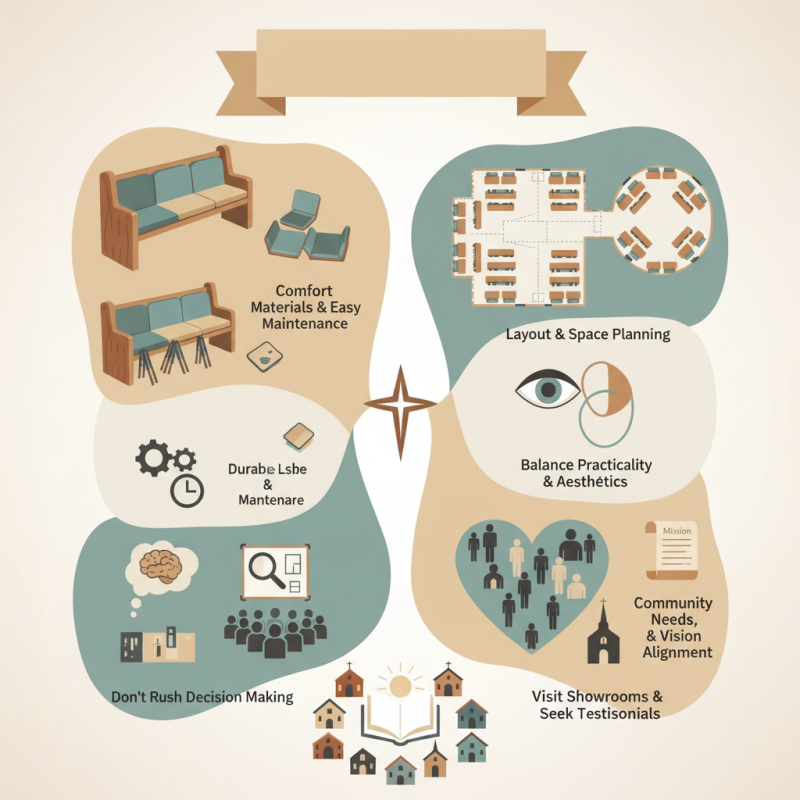
When considering your options, think about materials and functionality. Seats should be durable and easy to maintain. Look for designs that can adapt to various events, from services to community gatherings. Comfort is essential, as attendees spend long periods seated. Pay attention to the layout of your space as well. A well-structured arrangement can significantly affect the atmosphere.
Don't rush the decision-making process. Visiting showrooms and seeking testimonials from other churches can provide clarity. Remember, practicality should be balanced with aesthetics. The right choices should align with your church’s mission and vision. Reflect on the community's needs, ensuring that every choice is intentional and purposeful.
Church seating plays a critical role in renovation projects. It not only impacts comfort but also affects the overall atmosphere of worship. Studies show that 30% of congregants prioritize seating comfort when choosing a church. Comfortable seating leads to longer services, increasing engagement in worship activities.
Renovation is a chance to create a welcoming environment. When congregations spend time together, relationships strengthen. According to a report, well-designed seating can increase attendance by up to 15%. However, it's essential to choose quality materials that can endure wear and tear. Many churches overlook durability, only to face costly replacements later.
The layout of seating affects sightlines and acoustics. A thoughtful arrangement enhances the worship experience. Not every layout suits every church size or style. Most churches that invest in expert consultation report greater satisfaction. This process requires reflection and flexibility to ensure the chosen seating supports the church's mission and community goals.
When renovating a church, assessing the space is crucial in selecting the right seating. Begin by taking accurate measurements of the room. Measure the length and width, noting any architectural features like pillars and alcoves. These features can affect seating arrangements. If the space feels cramped, it might lead to discomfort during services. Think about the flow of movement for both congregants and clergy.
Consider the type of gatherings held in the church. Are they mainly worship services, or do they include community events? Different activities may require varied seating layouts. Also, look at sightlines. Everyone should have a clear view of the altar or speaker. Poor visibility can lead to a disjointed worship experience.
Choosing the right seating also means thinking about comfort and durability. Test various options before making a final decision. Sit in them to assess their comfort for extended periods. Some options may look good but can be uncomfortable during long services. Reflect on your needs and those of the congregation. Engaging members in discussions can provide valuable insights and may uncover overlooked aspects of the renovation plan.
Choosing the right material and comfort level for church seating is essential. Comfort matters because congregants often sit for extended periods. Hard benches might save money, but they often lead to discomfort. Soft, padded options can enhance the experience, making services more enjoyable.
Wood and metal are both durable, but they offer different feels. Wood gives a warm, traditional vibe. Metal, on the other hand, is modern and sleek. Remember that the choice of upholstery also matters. Some materials are easier to clean and maintain than others. For families with young children, stain-resistant fabrics can be a lifesaver.
Consider the layout of your space too. Fixed seating promotes a community feel, while movable seats allow for versatility. Think about the overall aesthetic and use of the space. It is essential to strike a balance between style and practicality. However, don’t overlook budget constraints. It’s easy to get carried away with high-end options that might not fit. Assess what truly meets your congregation’s needs.
When considering church seating for renovations, budgeting plays a crucial role. According to industry reports, the average cost of church seating can range from $40 to $150 per seat, depending on materials and design. For a medium-sized church with 200 seats, this could mean a budget of $8,000 to $30,000. Understanding these figures is essential for effective planning.
It’s wise to explore financing options. Many churches opt for fundraising campaigns, grants, or loans specifically designed for non-profits. For example, a crowdfunding campaign can engage the community and rally support. Creating a detailed budget that outlines all potential costs, including installation and maintenance, ensures transparency and helps build trust within the congregation.
Tip: Consider used or refurbished seating as a cost-effective solution. These options often come at a fraction of the price. Regularly checking online marketplaces can yield great deals while still maintaining quality. Additionally, involving church members in the decision-making can lead to unexpected ideas and solutions, ensuring everyone is on board with the renovation plan.
When selecting church seating, durability is paramount. Studies show that up to 30% of seating costs arise from replacements due to wear and tear. Dealing with high traffic areas requires seats designed to withstand prolonged use. For instance, upholstery made from durable fabrics like blended polyester can last years longer than cheaper vinyl options.
Maintenance is another critical aspect. The average church spends about 3% of its budget on routine maintenance. Seating choices that are easy to clean can significantly reduce this cost. Consider seating materials that resist stains or feature simple, wipeable surfaces. Regular upkeep prevents larger problems and extends the life of the investment. It’s wise to assess if the seating can handle potential spills from communion services or events.
Reflecting on seating solutions and their longevity can also uncover hidden costs. In some cases, more affordable options may lead to frequent replacements. This not only affects finances but also congregation comfort. Striking a balance between cost and quality ensures that the seating remains an asset. Investing in robust, low-maintenance options provides lasting benefits for church communities.
| Seating Type | Durability Rating | Maintenance Level | Comfort Level | Cost Estimate (per unit) |
|---|---|---|---|---|
| Padded Chairs | High | Low | High | $50 - $100 |
| Wooden Benches | Medium | Medium | Medium | $100 - $200 |
| Folding Chairs | Low | Very Low | Low | $10 - $30 |
| upholstered Church Chairs | High | Medium | High | $75 - $150 |
| Stackable Chairs | Medium | Low | Medium | $40 - $80 |
| Church Recliners | High | Medium | Very High | $200 - $500 |
| Metal Folding Chairs | Medium | Very Low | Low | $15 - $35 |
| Pews | High | High | Medium | $150 - $300 |
| Soft Plastic Chairs | Medium | Low | Low | $20 - $40 |
| Auditorium Chairs | Very High | Medium | High | $200 - $400 |
: Church seating impacts comfort and the overall atmosphere. Comfortable seating helps increase congregant engagement during services.
A thoughtful seating arrangement enhances sightlines and acoustics. Poor layouts can lead to discomfort and a disjointed experience.
Measure room size, noting features like pillars. Knowing flow for congregants and clergy is also vital for comfort.
Various gatherings may require different seating layouts. Consider whether the focus is on worship or community events.
Costs range from $40 to $150 per seat. A church with 200 seats may need a budget of $8,000 to $30,000.
Churches can explore fundraising campaigns, grants, or loans. Crowdfunding can also engage community support effectively.
Used or refurbished seating can save costs. Checking online marketplaces may yield good deals without sacrificing quality.
Engaging church members in discussions can reveal valuable insights. Their input can ensure everyone is satisfied with the choices made.
Testing seating options is crucial. Uncomfortable seats can detract from worship, especially during long services.
Choose quality materials that endure wear and tear. Many churches overlook durability and face costly replacements later.
When considering renovation needs, "What to look for when buying church seating for a renovation?" is a crucial question. Understanding the importance of church seating is vital as it impacts not only the aesthetics but also the functionality and comfort of the space. Begin by assessing the area to measure for optimal seating arrangements, ensuring that the layout enhances congregational interaction while adhering to safety regulations.
Next, selecting the right material and comfort level is essential for creating an inviting environment. Budgeting for church seating involves evaluating costs and exploring financing options to make informed decisions without compromising quality. Finally, consider the durability and maintenance of the seating choices to ensure long-term value and ease of upkeep, all of which play a significant role in successful church renovations.
TwinVibe Furniture