What Makes a Chair Stackable Without Scratching Frames?

Time:2026-05-28 Author:Madeline
0%

When discussing what makes a chair "stackable" without scratching the frames, industry expert Johnathan Reed emphasizes the significance of design elements. He states, "The right materials and innovative designs are key to preventing scratches during stacking." Understanding these factors is crucial for manufacturers and consumers alike.

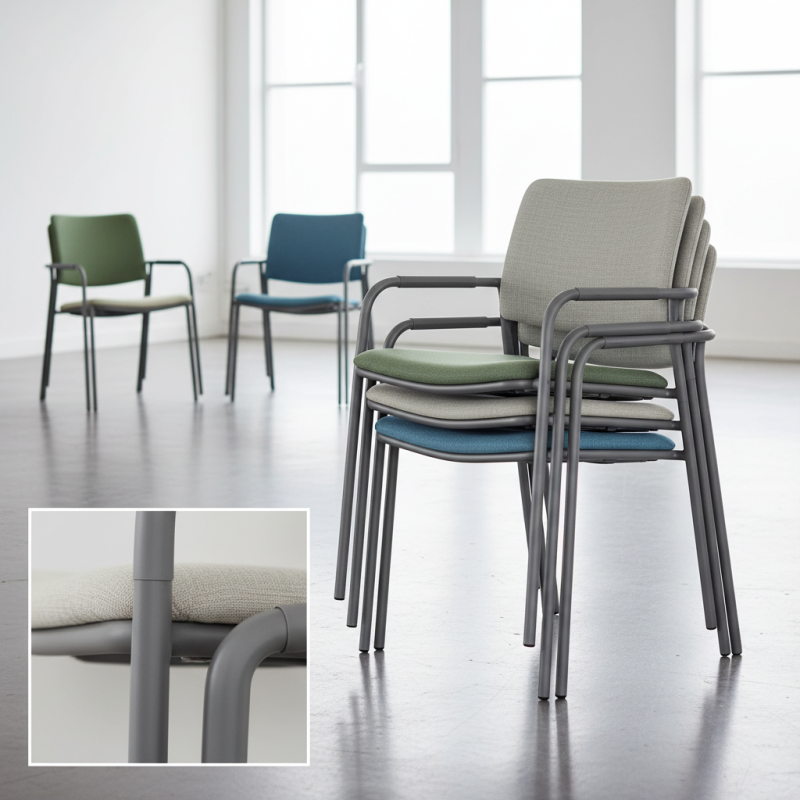
Stackable chairs are designed to save space. However, achieving this without damaging their frames is a challenge. The material used for the chair legs plays a vital role. A soft, protective coating can minimize friction. Additionally, the design of the chair's frame can determine how easily it stacks without risk. For example, a rounded edge might prevent contact points that lead to scratches.

Many vendors overlook these details in pursuit of aesthetics. A beautiful chair should not sacrifice practicality. As the market evolves, creating stackable chairs that combine beauty and functionality presents a continuous challenge. Balancing attractiveness with scratch prevention needs further reflection within the industry. Exploring innovative solutions can pave the way for chairs that excel in both aspects.
What Makes a Chair Stackable Without Scratching Frames?

Understanding Stackable Chair Design Principles

When designing stackable chairs, several principles ensure functionality without scratching the frames. The interplay of materials, angles, and cushion design are critical. Choosing a durable plastic or metal minimizes damage when chairs are stacked. The angle at which the legs are constructed also plays a significant role in ensuring a snug fit, reducing movement that can lead to scratching.

Tips: When selecting materials, consider how they interact. For instance, rubber feet can help prevent scratches. Testing the stacking process before mass production can highlight design flaws. Ensure your models are practical and user-friendly.

Designing stackable chairs requires attention to detail. The cushions need to be thin yet comfortable. This balance prevents excessive bulk, which can affect how chairs stack. Perfecting the curvature of the seats can improve ergonomics and enhance aesthetic appeal. Always seek user feedback to refine your designs.

Material Selection for Scratch-Resistant Chair Frames

Choosing the right materials for stackable chairs is essential to prevent scratches on their frames. One common choice is high-density polyethylene (HDPE). This plastic is both durable and lightweight, making it an excellent option for furniture that needs to withstand frequent use. Its smooth surface also helps in minimizing scratches when chairs are stacked.

Another suitable material is powder-coated metal. This coating forms a tough layer over the metal, protecting it from wear and tear. Powder-coated surfaces resist damage from friction, ensuring your chairs maintain their aesthetic appeal over time. However, care must be taken during assembly and use to avoid scratching the coats.

Tips:
• Always inspect the stacking mechanism. Rough edges can lead to scratches.
• Consider using felt pads on chair legs to reduce friction.
• Educate users on proper stacking techniques to prolong lifespan.

Furthermore, wood can be used, but it requires more attention. Hardwoods like ash or oak offer strength but need careful finishing to avoid scratches. The finish determines how well they perform in a stacking environment. Each material has its pros and cons, so assessing your needs is critical for lasting performance.

Innovative Joining Techniques for Stackable Chairs

Creating stackable chairs that avoid scratching frames involves innovative joining techniques. These designs prioritize functionality while maintaining aesthetics. The balancing act between durability and ease of use is essential. The right joining methods can ensure that chairs lock together securely without damaging surfaces.

Consider using materials that allow for smoother contact points. For instance, rubber or silicone pads can significantly reduce friction. This addition helps prevent scratches during stacking and unstacking. Innovative joint techniques such as interlocking components can further enhance stability while allowing for a cleaner appearance.

Tips: Always test various materials and joints in prototype phases. Observing which combinations yield the best results can lead to breakthroughs. Remember, it’s important to listen to your user base. Their feedback may reveal flaws in your design that need addressing. Consistent iteration is key to achieving the ideal stackable chair.

Surface Coatings That Prevent Scratches on Stackable Chairs

When designing stackable chairs, surface coatings play a crucial role. The right coating can prevent scratches, ensuring that frames stay pristine. These coatings act as a protective barrier. They can be made from a variety of materials, which vary in durability and appearance.

Polyurethane is a popular choice. It provides a tough, clear finish. This coating withstands daily use and resists scratches effectively. Another option is powder coating. This method adheres well and creates a durable surface. It is less prone to chipping and marks. However, both options require careful application for the best results.

Testing different coatings can be a challenge. Over time, even the best coatings can show wear. Regular maintenance is vital. Simple cleaning can help maintain the integrity of the surface. A well-treated chair can last longer and look better. Still, imperfections may appear, reminding us that all materials have limits. Understanding these nuances can lead to better choices in design.

Testing and Evaluating Stackability and Durability

Stackability and durability are essential features for modern chairs. When testing these qualities, one must consider materials, design, and construction techniques. A sturdy frame provides the base, while lightweight materials often enhance stackability. However, these materials can also lead to scratches if not designed properly.

Evaluating stackability involves more than just how many chairs fit together. Consider the surface where chairs are stacked. Scratching frames can result from friction between surfaces. Innovative designs often feature protective coatings or rubber feet. These elements not only prevent damage but also add to the overall aesthetic.

Testing durability includes assessing how well chairs maintain their structure over time. Frequent stacking can weaken joints or cause warping. It's crucial to recognize the limits of certain designs. Regular inspection for wear and tear can help identify potential issues. Balancing aesthetics and functionality in chair design is a complex challenge. While a chair may look sleek, it isn't always practical. The quest for the perfect stackable chair continues.

What Makes a Chair Stackable Without Scratching Frames? - Testing and Evaluating Stackability and Durability

Chair Model Material Stackability Rating Scratch Resistance Durability Score
Model A Polypropylene 9/10 High 8/10
Model B Metal 8/10 Medium 9/10
Model C Wood 7/10 Low 7/10
Model D Plastic Composite 10/10 High 9/10
Model E Aluminum 9/10 Medium 8/10

FAQS

: What techniques can reduce scratching on stackable chairs?

: Using innovative joining techniques like interlocking components can help minimize scratching during stacking.

How do surface coatings help in chair design?

Surface coatings act as protective barriers, preventing scratches and maintaining the chair’s appearance over time.

What materials are recommended for reducing friction?

Rubber or silicone pads can significantly reduce friction, helping to avoid scratches when stacking chairs.

Why is testing different materials important?

Testing various materials ensures that the best combinations are identified for durability and user satisfaction.

What aspects should be considered for chair stackability?

Assessing the stacking surface and using protective coatings can enhance stackability while preventing damage.

How can regular maintenance affect stackable chairs?

Simple cleaning and maintenance can prolong the life of a chair, but wear and tear may still occur.

What challenges arise when testing durability?

Frequent stacking can weaken joints, so it's vital to monitor for signs of wear and recognize material limits.

Why acknowledge design imperfections?

Recognizing that all materials can show flaws helps improve future designs and meet user expectations better.

How does the choice of coating impact chair longevity?

The right coating can enhance durability, but incorrect application may lead to premature wear and chipping.

What is the ongoing challenge in chair design?

Balancing aesthetics and functionality is complex; a sleek design isn’t always the most practical.

Conclusion

The article "What Makes a Chair Stackable Without Scratching Frames?" explores the essential design principles and materials that contribute to creating efficient and durable stackable chairs. Key factors include understanding the geometry and structure that facilitate stacking while minimizing frame contact, as well as selecting materials that resist scratches. The use of innovative joining techniques also plays a crucial role in enhancing the longevity and stability of stackable chairs.

Additionally, the implementation of advanced surface coatings can significantly reduce the risk of scratches during use or storage. The article emphasizes the importance of rigorous testing and evaluation to ensure both stackability and durability, ultimately guiding manufacturers in the development of high-quality stackable chair designs. By addressing these elements, we can better understand the intricacies involved in producing stackable chairs that maintain their integrity over time.

Madeline

Madeline

Madeline is a dedicated marketing professional with a wealth of expertise in our company's core offerings. With a keen understanding of the industry, she brings a unique perspective to her role, consistently delivering high-quality content that highlights the superior aspects of our products. As......