How to Safely Clean Commercial Upholstery Without Damage?

Time:2026-05-16 Author:Ethan
0%

Cleaning commercial upholstery poses unique challenges. It requires understanding how to clean commercial upholstery without damaging the fabric. According to industry reports, upholstery cleaning is a significant part of maintenance in commercial spaces, accounting for 20% of cleaning budgets. Incorrect cleaning methods can lead to permanent damage, costly repairs, and a negative impact on customer perceptions.

Inappropriate products can harm fibers. A survey from the International Custodial Institute highlights that 40% of cleaning professionals have experienced fabric discoloration or fraying due to improper cleaning techniques. This emphasizes the need for expertise in choosing the right cleaning methods and solutions. Many upholstery fabrics vary in durability and cleanliness requirements, complicating the cleaning process.

Achieving clean and pristine upholstery is possible with the right knowledge. Understanding fabric types and their sensitivities can prevent common missteps. Regular training and adherence to best practices are crucial for maintaining upholstery's longevity and appearance.
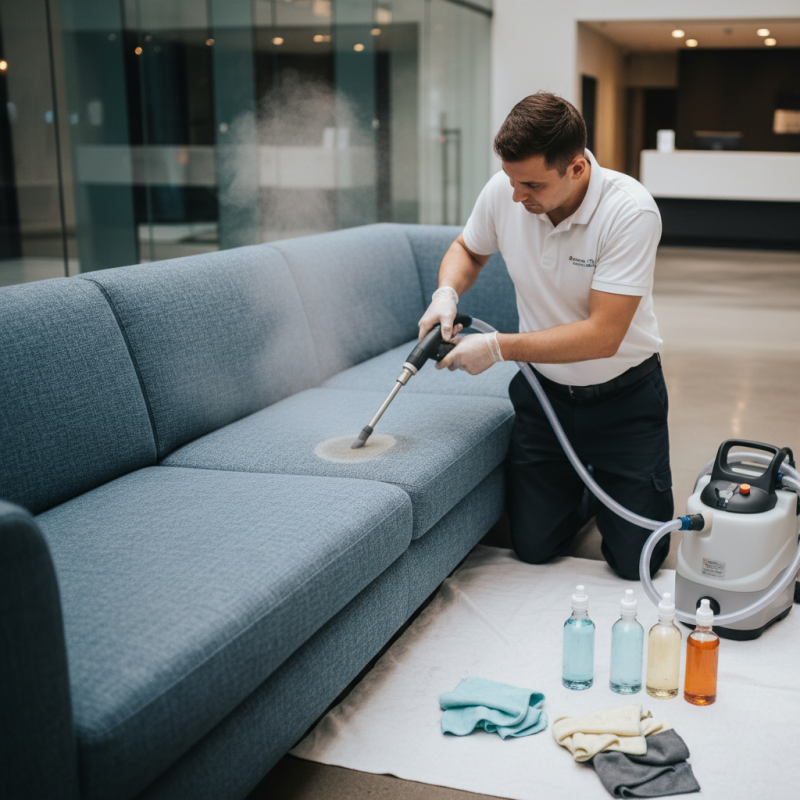
How to Safely Clean Commercial Upholstery Without Damage?

Understanding Different Types of Commercial Upholstery Fabrics

Commercial upholstery fabrics vary significantly in texture, durability, and cleaning requirements. Knowledge of these types is essential for proper care. Common fabric types include synthetic blends, natural fibers, and vinyl. Each has unique cleaning needs to prevent damage.

For instance, synthetic blends like polyester are durable and stain-resistant. They withstand harsh cleaners, making them easier to maintain. However, they can be sensitive to high heat, leading to melting or deformation. On the other hand, natural fibers like cotton require gentle cleaning. They are prone to water damage and can fade quickly when exposed to sunlight.

Tips: Always test a cleaning solution in an inconspicuous area. This prevents potential mishaps on visible surfaces.

Vinyl is another popular choice for commercial settings. While it is water-resistant, not all cleaning agents are suitable. Using harsh chemicals can result in discoloration or surface damage.

Tips: Use a soft cloth and pH-balanced cleaner for vinyl. This protects the material while ensuring effective cleaning.

Understanding these fabric types allows for better maintenance decisions, promoting longevity and comfort in commercial settings. Regular cleaning and proper knowledge can prevent costly damages.

Assessing the Condition of Upholstery Before Cleaning

Before cleaning commercial upholstery, it's crucial to assess its condition. A thorough evaluation can prevent potential damage. According to industry studies, about 30% of upholstery damage occurs during improper cleaning. This statistic highlights the importance of a detailed inspection process.

Examine for stains and discoloration. Knowing the fabric type helps choose the right cleaning method. For example, natural fibers like cotton may require gentler treatment. A report from the International Fabricare Institute states that 50% of upholstery cleaning issues stem from using incorrect solutions. Testing a small, inconspicuous area can help gauge the fabric's reaction.

Observe for wear and tear, and check if seams are frayed. Fabrics with significant damage may need repairs before cleaning. Ignoring such signs can worsen the condition. In fact, studies reveal that about 20% of commercial upholstery shows signs of wear affecting both aesthetics and durability. It's better to address these issues first.

Choosing the Right Cleaning Solutions for Upholstery

Choosing the right cleaning solutions for upholstery is crucial for maintaining its appearance and longevity. Different fabrics require different care. For example, leather upholstery can be damaged by harsh chemicals. A mild detergent mixed with water often works best for delicate fabrics. Always test a small, inconspicuous area first. This step is essential to avoid visible damage.

Commercial upholstery often sees heavy use. Stains from food, drinks, or spills are common. Eco-friendly cleaning solutions are gaining popularity for their effectiveness and safety. Ingredients like vinegar and baking soda can tackle many tough stains without harming the fabric. However, some ingrained stains may resist these alternatives. In such cases, professionals might have the best tools and techniques.

Each cleaning method has its risks. Over-wetting upholstery can lead to mold growth or fabric warping. It's vital to use the right amount of moisture. Regularly reviewing cleaning practices can prevent long-term wear. Sometimes, less is more. Using too many products may leave residues that attract dirt. Simplicity often yields better, lasting results.

Step-by-Step Cleaning Techniques for Safe Upholstery Care

Cleaning commercial upholstery requires care and attention. Begin by assessing the fabric. Different materials like leather, microfiber, or woven textiles need unique approaches. Always check the manufacturer’s recommendations before starting. Test cleaning solutions on a hidden area first. This prevents unexpected damage.

When you're ready to clean, use a vacuum with an upholstery attachment. This removes dirt and dust effectively. For stains, a mixture of water and mild soap often works well. Apply it gently with a soft cloth. Blot, don’t rub. Rubbing can set stains deeper into the fabric.

After cleaning, allow the upholstery to air dry. Avoid direct sunlight which can fade colors. Sometimes, despite our best efforts, stains remain. It’s frustrating but part of maintaining upholstery. Regular cleaning is key to preventing damage over time. Patience is crucial in this process; perfection may not always be achievable.

Tips for Maintaining Upholstery to Prevent Damage

Maintaining commercial upholstery is crucial for ensuring longevity and preserving appearance. According to a study by the Textile Conservation Foundation, over 50% of upholstery damage stems from improper cleaning methods. Regular vacuuming is essential. It prevents dirt from embedding deep into the fibers. Aim to vacuum seats at least once a week. This simple step can extend the life of your upholstery significantly.

Keep in mind the cleaning products used. Many contain harsh chemicals that can cause discoloration and wear. Instead, opt for pH-balanced solutions. They are gentler on fibers and help maintain color integrity. A report from the Upholstery Cleaning Association states that using the wrong product can reduce upholstery life by up to 30%. Always test a small, inconspicuous area first. This precaution can save you from costly repairs later.

For specific stains, act quickly. Blot spills instead of rubbing them. Creating friction can damage the fabric and make the stain worse. If you notice fading, move furniture periodically to distribute wear. Regularly inspect upholstery for signs of wear or tear. Early intervention is key. By employing these practices, you can avoid extensive damage and ensure your upholstery looks professional for years.

FAQS

: How should I start cleaning upholstery?

: Assess the fabric type first. Each material requires a different cleaning approach.

What should I do before applying cleaning solutions?

Always test the cleaning solution on a hidden area. This step prevents unexpected damage.

How can I effectively remove dirt and dust?

Use a vacuum with an upholstery attachment. Vacuuming helps maintain cleanliness and fabric longevity.

What’s the best method for treating stains?

For stains, use water and mild soap. Apply gently with a soft cloth and blot instead of rub.

How should I dry upholstery after cleaning?

Allow upholstery to air dry naturally. Avoid direct sunlight to prevent color fading.

How often should I vacuum my upholstery?

Vacuum at least once a week. Regular cleaning prevents dirt accumulation and prolongs its life.

What type of cleaning products should I use?

Opt for pH-balanced solutions. They are gentler and maintain color integrity, avoiding harsh chemicals.

What if stains remain after cleaning?

Sometimes stains may persist. Frustration is normal, but ongoing care is key to overall maintenance.

Why should I inspect upholstery regularly?

Regular inspections can identify signs of wear. Early intervention helps avoid extensive damage later.

Can furniture placement affect upholstery?

Yes, moving furniture occasionally helps distribute wear. This practice can prevent uneven fading over time.

Conclusion

Cleaning commercial upholstery can be challenging, especially when aiming to preserve the integrity of the fabric. To understand how to clean commercial upholstery without damaging the fabric, it is crucial to start by identifying the different types of upholstery fabrics and assessing their condition before initiating any cleaning process. Selecting appropriate cleaning solutions tailored to each fabric type resolves potential damage issues during cleaning.

Next, implementing step-by-step cleaning techniques ensures a thorough yet safe procedure. Regular maintenance also plays a vital role in preventing future damage, making it essential to follow expert tips for upholstery care. By applying these strategies, you can effectively maintain the appearance and longevity of commercial upholstery while keeping it clean and fresh.

Ethan

Ethan

Ethan is a seasoned marketing professional with a deep expertise in our company's innovative product line. With a passion for sharing knowledge and insights, he takes the lead in regularly updating our corporate blog, where he explores industry trends, product features, and effective marketing......