In the competitive world of dining, restaurant owners continually seek practical solutions for their establishments. One question that often arises is, "Why do restaurant owners prefer vinyl over leather seating?" Mark Thompson, a renowned furniture designer with years of experience in the restaurant industry, offers insight into this topic. He states, "Vinyl provides a cost-effective and durable option that meets the high demands of restaurant environments."
Vinyl seating stands out for its versatility. It’s easy to clean and maintain, essential for busy environments. Many restaurant owners appreciate how resilient vinyl is against spills and stains. In contrast, leather can be prone to wear and tear. However, this leads to some reflection: while leather evokes a sense of luxury, its upkeep may not be feasible for every establishment.
Thompson also notes that appearance matters significantly. “Vinyl can look just as stylish as leather, which is appealing for many.” With the variety of colors and textures available, vinyl can enhance a restaurant's ambiance without breaking the bank. Yet, the choice isn't always straightforward. Owners must weigh style against practicality. Ultimately, understanding "Why do restaurant owners prefer vinyl over leather seating?" requires balancing aesthetics with functionality.
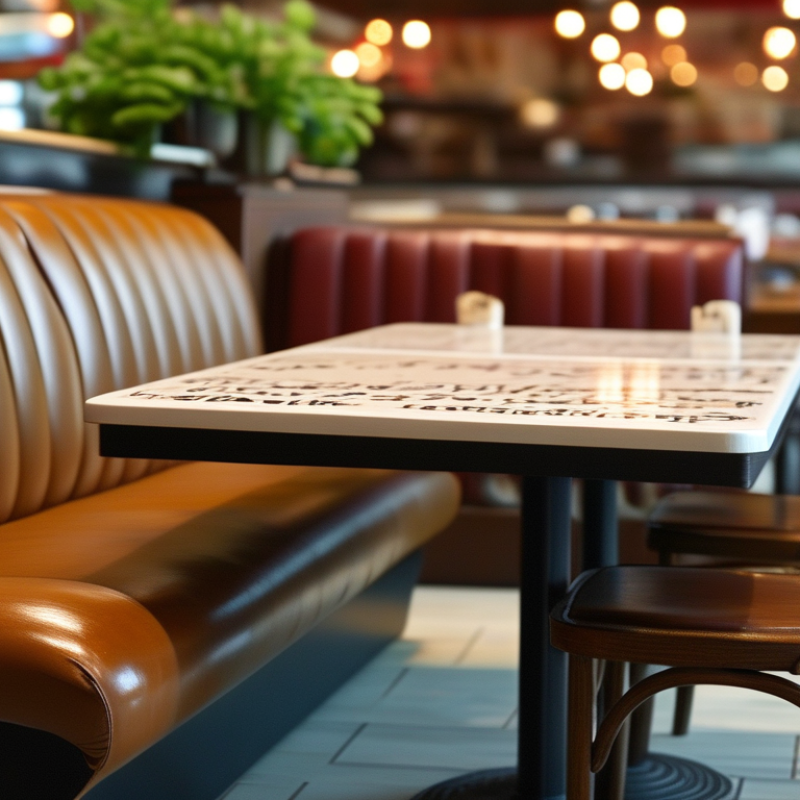
Vinyl seating offers numerous advantages for restaurants. One key benefit is durability. According to industry studies, vinyl can last up to 10 years longer than leather in heavy-use environments. This longevity makes it a smart choice for busy dining spaces. Restaurants can save costs on replacements, allowing funds to be used elsewhere.
Another factor is maintenance. Vinyl is easier to clean and maintain. It resists stains and spills better than leather. A recent survey found that 75% of restaurant owners prefer vinyl for its hassle-free upkeep. This means more time for staff to focus on customer service rather than cleaning issues.
Finally, vinyl comes in countless colors and patterns, allowing for creative design. This versatility helps restaurants establish unique atmospheres. Owners have reported that bright, colorful vinyl seating can enhance the dining experience. However, some owners still question if it can match leather's elegance. It remains a topic for debate among restaurant professionals.
When restaurant owners consider seating options, vinyl often stands out for its cost-effectiveness. Vinyl seating is less expensive than leather, making it a popular choice among budget-conscious restaurateurs. The up-front costs are significantly lower, which is crucial for new establishments. This affordability allows owners to allocate funds to other essential aspects of their business.
Vinyl is also easy to maintain. Unlike leather, which requires special cleaners, vinyl can often be wiped clean with simple soap and water. This durability makes vinyl suitable for high-traffic areas. However, some may question the long-term value. While vinyl seats can wear over time, the initial savings often outweigh durability concerns. It’s essential for owners to assess how often they expect to replace their seating.
Aesthetics play a role as well. Many customers associate leather with luxury, creating a mood of elegance. Vinyl can mimic the look of leather at a fraction of the price. Still, some restaurateurs might find this imitation lacking. They may need to weigh the visual impact against the economic benefits. Finding a balance between appearance and cost is an ongoing challenge.
Vinyl seating has become a popular choice for restaurant owners. One key reason is its durability. Unlike leather, vinyl resists scratches and tears better, making it ideal for high-traffic areas. A busy restaurant often faces spills and stains. Vinyl is less porous, which aids in quick clean-up. This feature helps maintain a fresh appearance, crucial for attracting customers.
Maintenance is another significant factor. Vinyl seating requires minimal effort to keep clean. A simple wipe-down with a damp cloth is often all that’s needed. In contrast, leather requires special cleaners and conditioning. Neglecting leather can lead to cracks. Vinyl does not have this problem and retains its appearance longer. However, some may find that vinyl lacks the upscale feel of leather.
The trade-off between aesthetics and practicality often leads to challenging decisions. While some customers might prefer the luxurious touch of leather, vinyl’s resilience and ease of maintenance cannot be overlooked. As restaurant owners weigh these factors, they realize that a practical approach often suits their needs better.
Vinyl seating has gained popularity among restaurant owners, particularly for its aesthetic appeal. Designers appreciate vinyl for its ability to mimic various textures and colors. This versatility allows for a broader range of visual expressions. Restaurants can choose vibrant hues or muted, earthy tones to match their themes.
The variety in vinyl designs offers an advantage that leather often cannot. Vinyl can be printed with patterns, textures, or images. This opens up creative opportunities for restaurant interiors that reflect a unique brand identity. Consider a diner with a retro theme—vinyl upholstery can effectively evoke nostalgia.
Despite its benefits, some restaurateurs worry about durability. Vinyl can wear over time, leading to concerns about long-term investment. However, when properly maintained, vinyl seating can last through high traffic. This balance of beauty and practicality makes vinyl a compelling choice for many establishments.
Vinyl upholstery is becoming a popular choice for restaurant owners, especially when considering health and safety. Unlike leather, vinyl is easier to clean and maintain, which is critical in the food industry. Stains and spills can happen frequently, and vinyl's non-porous surface prevents bacteria growth. This is crucial for ensuring a safe dining experience.
Moreover, vinyl is inherently waterproof. When food or beverages spill, the material can be easily wiped down, ensuring no lingering odors or stains. This durability helps maintain a healthy environment. In contrast, leather can absorb spills, leading to long-term issues. Many restaurants are realizing that vinyl seating can be both stylish and practical.
However, it is essential to choose high-quality vinyl. Not all vinyl upholstery is created equal. Some products may emit harmful chemicals over time, raising safety concerns. This is a valid consideration for restaurant owners. Regular checks and proper maintenance are vital. While vinyl can be a safer option, the quality of the materials should always be scrutinized to ensure customer safety.
| Consideration | Vinyl Seating | Leather Seating |
|---|---|---|
| Cost | Lower initial investment | Higher initial cost |
| Durability | Wear-resistant and easy to clean | Can be more prone to scuffs and stains |
| Maintenance | Low maintenance, easy to wipe down | Requires special cleaning products |
| Comfort | Good cushioning options available | Generally considered more comfortable |
| Health and Safety | Non-porous material, resistant to bacteria | Can harbor bacteria if not properly maintained |
| Aesthetics | Available in various colors and textures | Luxurious appearance and feel |
: Vinyl is favored for its aesthetic appeal and ability to mimic different textures and colors.
Vinyl can feature a wide range of patterns, textures, and colors, allowing for unique brand expressions.
Vinyl can wear over time, but when maintained well, it can endure high traffic effectively.
Vinyl is easier to clean and maintain, preventing bacterial growth, which is crucial in the food industry.
Vinyl's waterproof properties make it easy to wipe down spills, avoiding lingering odors or stains.
Yes, some low-quality vinyl may emit harmful chemicals, so material choice is crucial for safety.
Regular cleaning and maintenance checks can help prolong the life of vinyl upholstery.
Yes, vinyl upholstery can evoke nostalgia, making it suitable for diners with retro themes.
No, quality varies significantly; higher-quality options are essential for safety and durability.
Some think vinyl lacks durability, but with proper care, it can be a long-lasting choice.
The decision of restaurant owners to opt for vinyl seating over leather can be attributed to several key factors. Firstly, vinyl seating offers impressive cost-effectiveness, making it a budget-friendly choice for establishments looking to balance quality and expenses. Additionally, vinyl is renowned for its durability and ease of maintenance, allowing restaurants to keep their seating looking fresh and clean with minimal effort.
Aesthetic appeal also plays a significant role, as vinyl comes in a wide variety of designs and colors, enabling restaurant owners to customize their décor effectively. Moreover, health and safety considerations make vinyl an attractive upholstery option, as it is often easier to sanitize and less prone to harboring bacteria compared to leather. Overall, these advantages highlight why do restaurant owners prefer vinyl over leather seating.

TwinVibe Furniture