When planning an event, one crucial decision is whether to rent or buy event furniture. This choice can significantly impact the overall budget and aesthetics of the venue. Industry expert Laura Simmons, a renowned event planner, once stated, “Understanding your venue’s needs is key to deciding the best approach for furniture.” Navigating the costs is not straightforward.
Is it cheaper to rent or buy event furniture for a venue? This question often perplexes organizers. Renting furniture can provide flexibility and lower upfront costs, while purchasing might offer long-term savings if the furniture is reused. However, each option has its pros and cons that need careful consideration. The durability of items and storage needs also play a vital role in the decision-making process.
Ultimately, the best choice often hinges on the specific needs of the event and the frequency of use. Adapting to the venue’s aesthetic while keeping costs manageable is not always easy. Evaluating the actual costs associated with rentals versus purchases is essential for a successful event. This decision reflects broader concerns about budget management and resource allocation in the event planning industry.
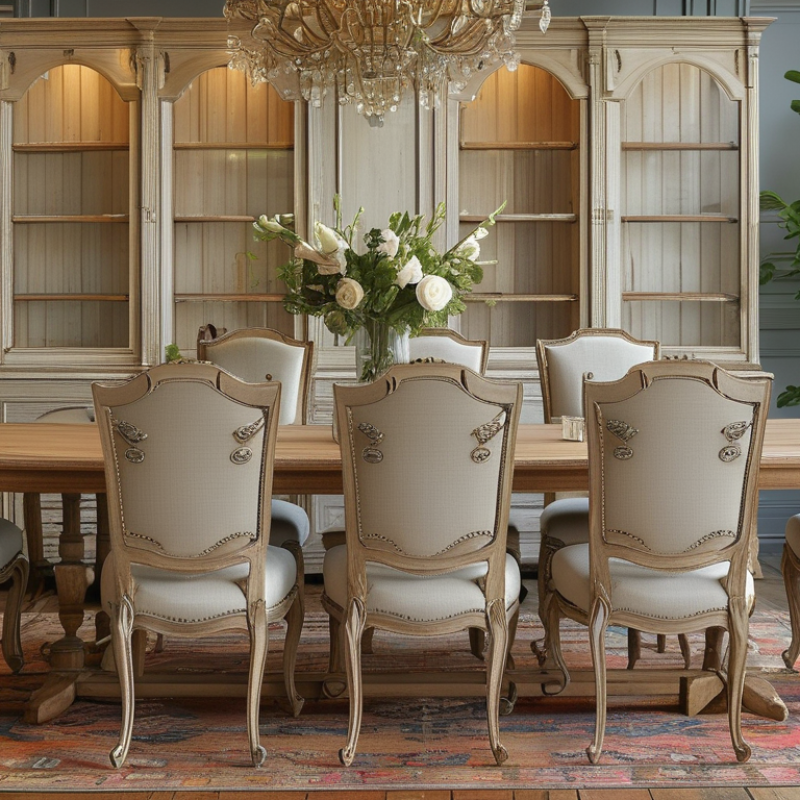
When planning an event, the decision to rent or buy furniture is crucial. Rental services provide flexibility, especially for short-term events. They typically offer a wide range of styles and options. According to a study by the Event Industry Council, 70% of event planners prefer renting due to lower upfront costs. This choice allows budget allocation for other important aspects like venue and catering.
Buying furniture can appear appealing for long-term use. However, it also requires significant investment in storage and maintenance. Statistic sources indicate that owning furniture can lead to costs exceeding 30% more than renting for one-time events. Reflecting on these figures, many find that renting often avoids the hassle of ongoing upkeep and logistics.
Renting furniture also means access to current trends without the long-term commitment. While it might seem inconvenient to return items, this approach can refresh event aesthetics regularly. Some planners hesitate, fearing hidden costs in rentals. Yet, transparency in contracts is improving in the industry, reducing previous uncertainties. In this dynamic field, understanding the balance of costs and benefits can inform smarter decisions for both huge corporate gatherings and intimate celebrations.
When deciding between renting or buying event furniture, various factors influence the overall cost. One major consideration is the duration of your event. Short-term events might benefit from rentals due to lower upfront costs. Conversely, long-term usage can make purchasing the better option, especially if you use the furniture multiple times.
Another critical factor is the type of furniture needed. Specialized pieces can be more expensive to purchase than to rent. For instance, decorative items or unique seating arrangements may only be required for specific occasions. Rental companies often offer a variety of styles, allowing for creative flexibility without the heavy price tag of ownership. Additionally, storage and maintenance costs must be considered. Owning furniture means you’re responsible for storage and upkeep, which can add ongoing expenses.
Lastly, understanding your audience's needs can shape your decision. Feedback from past events can guide which items are essential and which are not worth the investment. Reflecting on experiences can help you avoid unnecessary purchases or miscalculations. Overall, choosing between renting or buying hinges on these evolving circumstances and your specific event requirements.
| Furniture Type | Renting Cost per Day | Buying Cost | Usage Duration (Days) | Total Rent Cost | Cost Difference (Buying - Renting) |
|---|---|---|---|---|---|
| Chairs | $5 | $80 | 10 | $50 | $30 |
| Tables | $10 | $150 | 10 | $100 | $50 |
| Linen | $2 | $20 | 10 | $20 | $0 |
| Decor Items | $15 | $200 | 5 | $75 | $125 |
When analyzing the costs of renting versus buying event furniture, it's crucial to consider both short-term and long-term implications. Renting often appears attractive for one-time events. It allows for flexibility and reduced initial expenses. You pay a set fee, and the furniture is delivered and picked up. However, if the same event takes place annually, these costs can accumulate quickly.
On the other hand, purchasing furniture represents a more substantial upfront investment. Yet, it can be a wise choice for businesses hosting many events. Over time, the initial cost can be spread across multiple uses. Consider factors such as storage and maintenance. Properly maintained furniture can last for years, leading to savings on future rentals.
It’s essential to reflect on the type of events hosted. Do you require high-quality, durable pieces? Are you often changing your event themes? These questions impact your decision significantly. There is no one-size-fits-all answer. Each option has its pros and cons. A deep understanding of your event needs will guide you to the most cost-effective choice.
When planning an event, the choice between renting and buying furniture can be puzzling. Many overlook hidden costs that can significantly impact the overall budget. Renting might seem cheaper upfront, but the associated fees can accumulate. Delivery charges, insurance, and cleaning fees are often added on top of rental costs. These extra expenses can catch anyone off guard, making the final price higher than anticipated.
Contrarily, buying furniture involves its own set of hidden costs. While the initial investment may seem high, consider maintenance and storage. You're responsible for keeping the furniture in good condition. Plus, you may need a space to store items when not in use. This can lead to additional rental or property costs that many fail to factor in. It's essential to think about how often the furniture will be used. If it's only needed once, renting could be a wiser choice.
Understanding these hidden costs is crucial. Both renting and buying have their advantages and drawbacks. Event planners must carefully consider these aspects to make a well-informed decision. Do you have enough resources and space for storage? Can you manage the potential extra costs if you choose to rent?
Renting and buying event furniture both have their unique advantages and disadvantages. When you rent furniture, you can save money. This can be especially beneficial for short-term events. Rental companies offer a wide range of styles and options, which allows for creative choices. However, the cost can add up if you frequently host events.
On the other hand, purchasing furniture requires a larger initial investment. You have full control over your items and can customize them to fit your brand. Owning furniture can be appealing for frequent users. Yet, storage becomes a concern. Additionally, furniture might go out of style, leading to potential wasted investment.
When deciding whether to rent or buy, consider your specific needs. Think about the scale and frequency of your events. Evaluate your budget and long-term plans. Some businesses may find renting ideal for flexibility, while others may prefer the stability of ownership. The choice of renting or buying ultimately depends on your situation and goals.
This chart compares the costs associated with renting versus buying event furniture. The Renting Cost includes all expenses for a typical event rental, while Buying Cost reflects the initial purchase price. Maintenance Cost accounts for ongoing upkeep for purchased furniture, and Depreciation is the estimated value loss over time.
: Renting offers flexibility and lower upfront costs, helping to allocate your budget for other important aspects.
Buying gives you control and customization options, ideal for frequent users with long-term needs.
Renting allows access to the latest styles without long-term commitment, keeping events visually appealing.
Some planners worry about hidden fees, but transparency in contracts is improving, reducing uncertainty.
Evaluate the scale, frequency of events, budget, and long-term plans. This helps inform your decision.
While renting saves money initially, costs can add up with frequent events, requiring careful consideration.
Storage can be an issue when buying, which requires space and ongoing maintenance beyond the initial purchase.
Furniture can go out of style, making it possible to invest in items that may not have lasting value.
When considering the question, "Is it cheaper to rent or buy event furniture for a venue?", several factors must be analyzed. Renting event furniture can often appear more cost-effective for short-term needs, as it typically incurs lower upfront costs and allows for flexibility when planning various events. However, long-term use of furniture can lead to significant savings when buying, despite the higher initial investment.
It's essential to consider hidden costs associated with both options, such as maintenance, transportation, and storage fees, which can add up over time. The decision ultimately hinges on the specific needs of the event, frequency of use, and budget constraints. By weighing the benefits and drawbacks of both renting and buying, organizers can make informed choices that align with their financial goals and event requirements.

TwinVibe Furniture