Pipe and Drape Systems are essential tools for event organizers. They provide an adaptable way to create visual barriers and define spaces. These systems consist of vertical pipes and drapes, allowing for easy setup and breakdown.
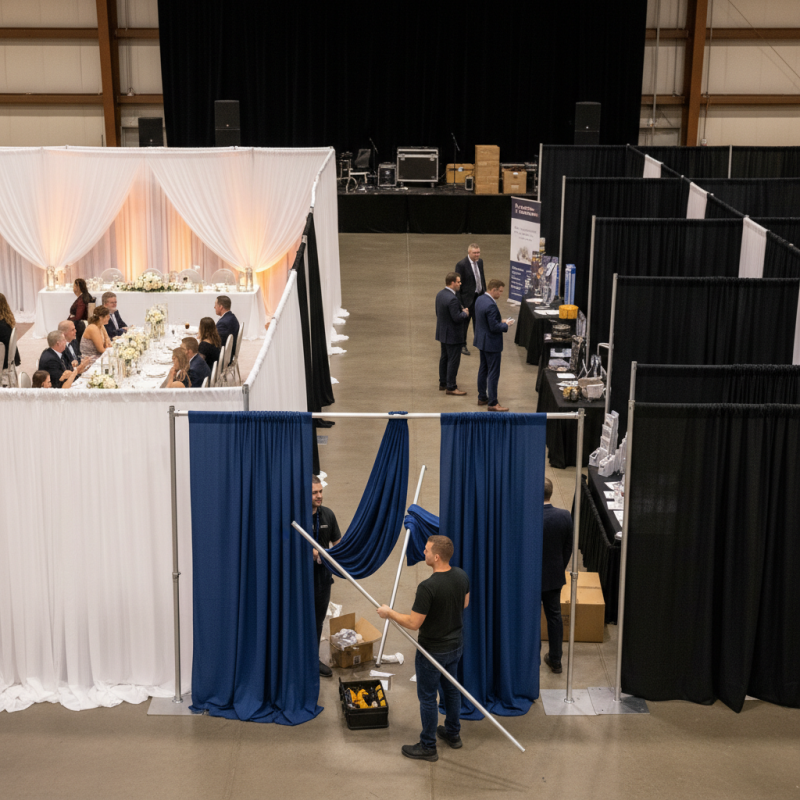
Imagine a bustling trade show or a wedding reception. Pipe and Drape Systems can transform an empty hall into an elegant venue. They can be used to conceal unsightly equipment or designate areas for specific activities. The drapes come in various colors and materials, adding to the aesthetic appeal.
However, using Pipe and Drape Systems isn’t always flawless. Setting them up can be tricky, and the drapes may wrinkle easily. Organizers need to plan carefully to ensure a polished look. Despite these minor imperfections, Pipe and Drape Systems remain a popular choice for many events.
Understanding the Basics of Pipe and Drape Systems
Pipe and drape systems are versatile tools widely used in event planning and staging. They serve various purposes, such as creating backdrops, dividing spaces, and enhancing aesthetics. The system comprises vertical poles, horizontal drapes, and sometimes additional accessories like lighting. According to industry reports, 70% of event planners prefer these systems for their flexibility and ease of installation.
When setting up a pipe and drape system, consider the space's layout. The height and width of the drapes can significantly impact the venue's atmosphere. For instance, taller pipes create a grander feel, while lower setups are more intimate. Make sure to choose fabrics that complement your event's theme. Lightweight materials can sway beautifully, but may be less durable against strong winds if used outdoors.
Tip: Always check your equipment for stability before the event. A well-secured display prevents accidents. Consider the weight of the drapes; heavy fabrics may require additional support. Inadequate planning can lead to last-minute adjustments, creating chaos. Reflect on setup processes to avoid repetitive mistakes in future events. Prioritize efficiency without sacrificing quality.
Key Components of a Pipe and Drape Setup
A pipe and drape system is a versatile setup used for events, exhibitions, and staging. It consists of two main components: pipes and drapes. The pipes are typically made of lightweight aluminum. They create the framework to support the drapes, which are often made of polyester or other fabrics.
Building a pipe and drape setup starts with the vertical poles. These poles fit into base plates, providing stability. The horizontal crossbars connect the vertical poles, forming a solid structure. Drapes are then threaded onto the pipes. This gives an elegant look. The choice of drape color and fabric can transform an ordinary space.
However, achieving the perfect setup requires attention to detail. Sometimes, the drapes may not hang evenly. This can detract from the aesthetic. Proper measuring is key. If the pipes are too high or low, it could lead to an unbalanced appearance. It's important to take time to adjust everything before the event begins. Understand that even experienced users can face challenges with installation.
Step-by-Step Guide to Setting Up Pipe and Drape
When setting up a pipe and drape system, start by gathering all necessary components. You will need vertical pipes, horizontal drapes, and bases. Keep everything organized. Misplacing parts can lead to delays. Ensure you have enough space to work without obstruction.
Begin with arranging the vertical poles. Set the bases firmly on the ground. Make sure they are level. Otherwise, the structure may wobble. After securing the poles, add the horizontal rods. This step typically requires a partner. It’s easier with two people collaborating. Adjust the height as needed for your design.
Next, hang the drapes using clips or hooks. Attach them evenly for a polished look. Pay attention to the fabric's flow. Uneven draping can create an unappealing effect. If the drapes are wrinkled, consider steaming them beforehand. Sometimes, the draping may not fall perfectly. Adjust as needed, even if it takes extra time. Small imperfections can lead to creative solutions. Embrace the unexpected!
Common Uses and Applications of Pipe and Drape Systems
Pipe and drape systems are incredibly versatile. They are often used in events to create temporary walls. These systems consist of vertical pipes with fabric draped over them. The design allows for quick setup and takedown. This makes them perfect for trade shows, conventions, and weddings.
One common use is to create backdrops for presentations. A simple fabric panel can transform a venue. This allows brands and speakers to showcase their identity. Another application includes dividing spaces at large events. It helps manage crowd flow and provides privacy. During casual gatherings, they serve as photo booths, adding a creative touch.
However, not every setup goes smoothly. Wind can easily knock them over outdoors, causing potential hazards. Fabric choices can influence the look but may not hold up well in certain conditions. Planning must account for these challenges. Awareness of limitations can help achieve a polished and functional result.
Tips for Choosing the Right Pipe and Drape for Your Event
Choosing the right pipe and drape system for your event can significantly impact its atmosphere. Consider your venue size first. A larger space may require tall drapes to create a cozy feel. Conversely, smaller venues might benefit from lower drapes to avoid a cramped look. The color of the fabric is also essential. Darker colors create elegance, while lighter shades can make a room feel airy.
Pay attention to the fabric quality. Some materials may not drape well or could wrinkle easily. Look for fabrics that have a nice fall and won’t need constant adjustment. You might want to experiment with textures. Mixing smooth and soft fabrics can add depth to your setup. Aim for a balanced combination; it’s often tempting to use one type, but diversity is key.
Lastly, evaluate the installation process. If you have limited staff, choose systems that are easy to set up and take down. Complicated setups lead to frustration and may distract from the event itself. Ensure that you are prepared for malfunctions, as even the best plans can encounter unforeseen issues. Balancing aesthetics with practicality is crucial for an enjoyable experience.
FAQS
: The system consists of lightweight aluminum pipes and fabric drapes, usually made of polyester.
Position the vertical poles firmly in base plates. Ensure they are level for stability.
If drapes are uneven, it can detract from the overall look. Proper measuring is crucial.
Yes, having a partner can ease the setup of horizontal rods and ensure better alignment.
Consider steaming them before hanging to achieve a smooth appearance.
They serve as backdrops, temporary walls, and can even create privacy at large events.
Wind can knock over the structure, posing safety hazards. Planning is essential to mitigate this.
Detail is vital. Small adjustments can lead to creative solutions and enhance the final look.
Yes, the type of fabric can influence the overall appearance and durability in certain environments.
Time for adjustments is essential. Even experienced users may face unexpected challenges.
Conclusion
Pipe and Drape Systems are versatile setups commonly used for events, trade shows, and presentations. This system comprises key components such as pipes, drapes, and connectors, allowing for customizable configurations to create dividers, backdrops, or stages. Understanding the basics of these systems is essential for effective use, as their adaptability enables event planners to design spaces that suit their specific needs.
Setting up a Pipe and Drape system involves a straightforward step-by-step process, making it accessible for users of all experience levels. Common applications include creating privacy areas, enhancing aesthetics, or managing crowd flow at events. When choosing the right Pipe and Drape for an occasion, it’s important to consider factors like material, height, and customization options to ensure the setup complements the overall event theme.

 TwinVibe Furniture