Top 10 Ways to Fix Wobbly Tables in Your Restaurant?

Time:2026-05-31 Author:Isabella
0%

In the fast-paced world of restaurants, a wobbly table can lead to frustration for both customers and staff. Research shows that 75% of diners report that a stable table significantly enhances their dining experience. When considering how to fix wobbly tables in a busy restaurant, addressing this issue is crucial for maintaining customer satisfaction and loyalty.

Wobbly tables can arise from various factors, including uneven flooring and worn-out table legs. These seemingly minor problems can affect the overall atmosphere of dining. According to industry reports, establishments with stable furniture witness a 20% increase in customer retention. Thus, investing time and resources in table stability isn't merely a cosmetic fix; it is a strategic move to improve business performance.

Implementing quick fixes, such as using coasters for stability or adjusting table feet, offers immediate relief. However, these are temporary measures. Relying solely on them might not reflect a restaurant's quality and professionalism. Therefore, it’s essential to explore long-term solutions that ensure all tables are secure and functional, ultimately leading to a smoother operation and happier guests.
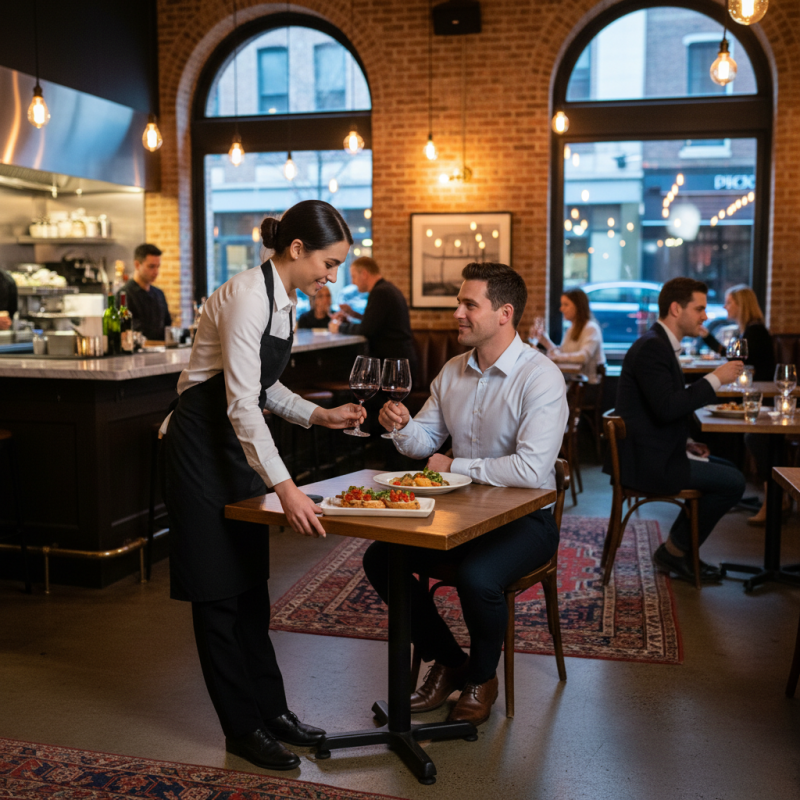
Top 10 Ways to Fix Wobbly Tables in Your Restaurant?

Identify the Source of the Wobble: A Step-by-Step Evaluation

To effectively identify the source of a wobbly table in your restaurant, begin with a thorough evaluation of its legs. One in three restaurant owners have reported inconsistent table stability, impacting customer experience. Check if any leg is shorter than the others. You can use a leveling tool or simply roll a ball across the surface. If the ball runs to one side, you have found the culprit.

Inspect the floor underneath the table as well. Uneven flooring can exacerbate the wobble problem. According to a recent industry report, 60% of dining establishments face challenges due to flooring issues. Look for cracks, uneven tiles, or carpet that may be lifting. Addressing these issues can significantly enhance stability.

Finally, consider the table’s design. Some materials are less forgiving than others. Heavy wooden tables may not show issues until they are fully loaded. A 2022 study revealed that 45% of customers felt frustrated by wobbly tables. It’s crucial to reflect on how this may affect dining experience. Regularly check tables to ensure all parts are secure. Small tweaks can lead to major improvements in customer satisfaction.

Top 10 Ways to Fix Wobbly Tables in Your Restaurant

Method Description Tools Needed Estimated Time
Check Floor Level Evaluate if the floor is uneven and causing the wobble. Leveling tool 10 minutes
Use Table Stabilizers Install rubber feet or stabilizers under table legs. Rubber pads 15 minutes
Adjust Leg Height Manually adjust the height of the legs if adjustable. Wrench or screwdriver 5 minutes
Add Weighted Base Place weight on the base to prevent wobbling. Weights or sandbags 10 minutes
Inspect for Damage Check for damaged table legs or components. Visual inspection tools 15 minutes
Tighten Hardware Tighten screws and bolts that may be loose. Screwdriver set 10 minutes
Install Table Shims Use shims to level the table legs. Wooden or plastic shims 5 minutes
Upgrade Furniture Consider replacing old tables with new ones. None Varies
Professional Assessment Get a professional to evaluate and fix the tables. N/A Varies

Adjust Table Legs Individually for Stability Improvement

Adjusting table legs individually is a crucial step in improving stability in restaurants. Many restaurants face the common issue of wobbly tables, which can disrupt dining experiences. According to the National Restaurant Association, nearly 60% of restaurant owners report that operational efficiency directly impacts customer satisfaction. Wobbly tables can lead to spilled drinks and frustration, ultimately affecting repeat business.

To address this, inspection of each leg is essential. Many tables have adjustable legs, allowing for fine-tuning. If all legs are not even, even the slightest variation can cause wobbling. A study from Hospitality Insights highlights that 30% of customers will not revisit a restaurant after a negative experience. Adjusting table legs can significantly enhance customer comfort. Patrons appreciate a stable dining environment, making adjustments worth the effort.

While many staff might overlook this simple fix, it’s vital for maintaining a high standard. Checking each table for stability should be a routine task. Regular maintenance can prevent larger issues down the line. Neglecting such details often leads to larger operational headaches. Some might see table adjustments as trivial, but they ultimately reflect the restaurant's commitment to guest experience. The small act of adjusting legs can translate into improved long-term customer loyalty.

Top 10 Ways to Fix Wobbly Tables in Your Restaurant

Use Furniture Leveling Pads to Enhance Balance and Support

Wobbly tables in restaurants can frustrate both staff and customers. A practical solution lies in furniture leveling pads. These small accessories provide crucial support and balance for uneven surfaces. Installing them can be a straightforward task. You can place one or more pads under the table legs to accommodate height differences.

Using leveling pads not only ensures that tables remain stable but also enhances the overall dining experience. Customers tend to feel more comfortable when their table does not shake. Plus, these pads can help protect flooring from scratches. However, it’s essential to check the quality of the pads selected. Not all pads are created equal; some may wear out quickly.

Consider the material and grip of the pads, as these affect their effectiveness. Regular maintenance is necessary to keep wobbly tables at bay. Over time, even the best pads may require replacement to maintain balance. It’s important to reflect on these aspects to keep your dining environment pleasant.

Incorporate Anti-Slip Solutions for Enhanced Table Stability

Wobbly tables can detract from the dining experience in any restaurant. Increasing stability should be a priority. Incorporating anti-slip solutions can make a big difference. These solutions provide a more secure foundation for your tables. They also help to prevent unwanted movement caused by customers or cleaning staff.

Using rubber pads under table legs is an effective way to enhance stability. These pads grip various floor types, keeping tables from sliding. Floor mats can also serve to stabilize tables while adding comfort for patrons. Consider using heavier tables to counterbalance any movement. Laying weighted strips on table edges may help as well.

Sometimes, even the best solutions do not work perfectly. It's essential to test different options to see what fits best in your space. Adaptation may be required for unique floor surfaces or table designs. Engaging with staff about table stability can yield valuable insights. Their experiences can highlight areas in need of improvement.

Regular Maintenance Tips to Prevent Future Wobbling Issues

A wobbly table can ruin your customers’ dining experience. Regular maintenance is key to preventing these issues before they start. Inspect your tables weekly for uneven legs or damaged surfaces. A quick check on the floor beneath can also help identify any problematic areas. Often, simple adjustments can make all the difference.

Consider investing in high-quality table levelers. These small devices can help stabilize tables on uneven floors. Encourage your staff to report any wobbling issues immediately. Training them to recognize potential problems is essential. This proactive approach can save you time and improve customer satisfaction.

Regular cleaning helps maintain the condition of the tables. Dust and grime can wear down surfaces over time. Be mindful of any loose screws or fittings during your cleaning routine. Addressing these minor issues immediately can prevent more significant problems later. Engage with your staff to create a culture of care for the dining area.

FAQS

: What is a common issue with restaurant tables?

: Wobbly tables can greatly detract from the dining experience.

How can anti-slip solutions help tables?

They provide secure foundations and prevent unwanted movement.

What is an effective solution for table stability?

Using rubber pads under table legs can enhance stability.

How often should tables be inspected?

Tables should be inspected weekly for uneven legs or damage.

What should staff do if they notice a wobble?

They should report any wobbling issues immediately.

Is it important to engage with staff about table issues?

Yes, their insights can highlight areas needing improvement.

Can regular cleaning prevent table issues?

Yes, it helps maintain table condition and prevents wear.

What can be done if anti-slip solutions do not work?

Testing different options may be necessary for unique spaces.

How can heavier tables contribute to stability?

Heavier tables can counterbalance movement effectively.

What culture should be encouraged among staff regarding tables?

A culture of care for the dining area is essential.

Conclusion

In the bustling environment of a restaurant, maintaining stability at dining tables is crucial for both customer satisfaction and service efficiency. If you're wondering how to fix wobbly tables in a busy restaurant, start by identifying the source of the wobble through a methodical evaluation of the table legs and the floor beneath. Once you've pinpointed the issue, adjust the table legs individually to ensure even support, or utilize furniture leveling pads for enhanced balance.

Additionally, incorporating anti-slip solutions can greatly improve table stability, preventing any unnecessary movement during service. Regular maintenance is also vital; routine checks and adjustments can help you avoid future wobbly issues, ensuring that your restaurant tables remain sturdy and reliable for patrons, thereby enhancing their dining experience.

Isabella

Isabella

Isabella is a dedicated marketing professional with a sharp focus on driving brand growth and engagement through strategic content creation. With an extensive background in digital marketing, she combines her passion for storytelling with her keen understanding of industry trends to deliver......