When it comes to branding, furniture plays a vital role. The right colors can amplify your brand's message and aesthetic. Many businesses wonder, “How to customize furniture to match a specific brand color?” Achieving this is crucial for creating brand cohesion.
Customizing furniture involves more than just painting. Choosing the right materials, textures, and finishes can significantly impact the overall look. Brands must consider how colors resonate with their target audience. Sometimes, the chosen color may not evoke the desired feelings. It’s essential to test various shades and materials. Each decision affects the final outcome in unexpected ways.
Every brand has a unique identity. Therefore, customization should reflect individuality. Collaborating with professional designers can enhance the process. They bring expertise in color theory and material selection. However, it’s important to stay true to your brand vision, even if the results aren't perfect. Embracing imperfections can lead to innovative solutions. Ultimately, successful furniture customization strengthens brand recognition and fosters customer loyalty.
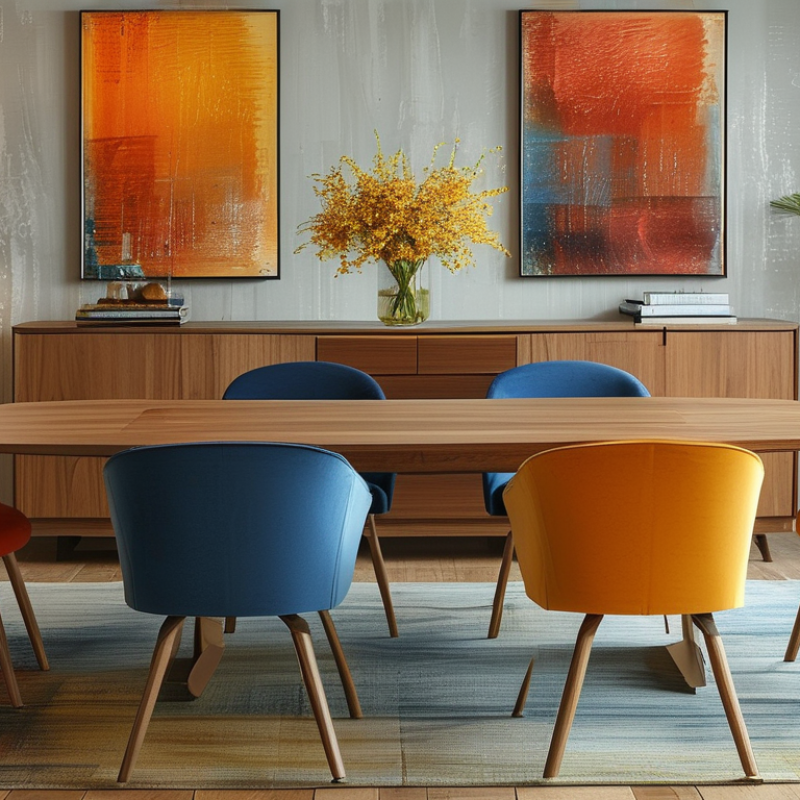
Top Strategies for Selecting the Right Paint for Brand Furniture
Choosing the right paint for brand furniture is crucial for establishing a cohesive identity. According to a study by the
Color Marketing Group, color influences up to 85% of consumers' purchasing decisions.
Selecting a paint that reflects your brand colors can enhance recognition and foster loyalty.
When selecting a paint, consider the environment. Light can alter how colors appear. For instance, a color that looks lively in natural light may feel dull in artificial light.
Testing samples in the intended setting is vital. Don’t forget texture; matte finishes can evoke warmth, while glossy options convey modernity.
Tips: Always use high-quality paint. It may cost more upfront but lasts longer, ensuring your brand’s image remains pristine.
Maintain a balance; using too many colors can confuse customers. Stick to 2-3 related shades to create a harmonious look.
Finally, reconsider your choices regularly. Trends change, and what worked last year may not resonate today. Using surveys or focus groups to gauge customer preferences can provide valuable feedback.
Remember, color is not just aesthetic; it’s a statement about your brand.
Understanding the Psychology of Color in Brand Recognition and Loyalty
Color plays a vital role in brand recognition and loyalty. Brands that use color effectively create emotional connections with their audience. For example, blue often conveys trust, while red can evoke energy. Understanding these nuances can enhance your brand’s furniture design.
**Tips:** Choose colors that reflect your brand’s values. Aim for colors that resonate with your target audience. Avoid using too many colors, as they can dilute your brand’s identity. Instead, focus on a cohesive palette that aligns with your message.
When customizing furniture, think about the environment. Consider how your color choices interact with lighting and space. A bright color may energize a workspace but can be overwhelming in a relaxation area. Taking these factors into account ensures a harmonious atmosphere.
**Tips:** Use fabric swatches to visualize color in context. Test colors in different lighting throughout the day. This helps gauge their impact on mood and perception. Always seek feedback from others to refine your choices.
Top 10 Ways to Customize Furniture for Your Brand Color
| Method |
Description |
Psychological Impact |
Example Color |
| Fabric Selection |
Choose fabrics that incorporate brand colors for upholstery. |
Evokes feelings of comfort and familiarity. |
Blue |
| Paint |
Paint furniture in brand colors to enhance visibility. |
Creates strong brand associations. |
Red |
| Stickers and Decals |
Utilize stickers or decals in brand colors for easy customization. |
Enhances creativity and fun. |
Green |
| Accent Pieces |
Add cushions and throws in brand colors. |
Promotes a sense of belonging. |
Yellow |
| Lighting |
Use colored lighting to reflect brand identity. |
Sets the mood and enhances atmosphere. |
Purple |
| Flooring |
Incorporate brand colors into flooring material. |
Establishes a strong foundation for branding. |
Orange |
| Custom Hardware |
Select knobs and handles in brand colors. |
Adds a distinctive touch and detail. |
Teal |
| Personalized Signage |
Create signs featuring brand colors. |
Increases brand visibility and awareness. |
Pink |
| Artwork |
Display artwork that incorporates brand colors. |
Creates emotional connections and storytelling. |
Brown |
| Furniture Layout |
Design layout to align with brand philosophy. |
Influences customer behavior and experience. |
Grey |
Incorporating Textiles and Fabrics that Reflect Brand Identity
When customizing furniture for your brand, textiles and fabrics are crucial. They convey the identity and values of your brand. Choosing the right materials can significantly impact how customers perceive your business. Think about texture, color, and pattern. They should align with your brand's story. Using soft fabrics can evoke warmth, while sleek, modern materials suggest innovation.
Consider using custom upholstery to integrate your brand colors. This approach not only enhances aesthetic appeal but also reinforces recognition. Bold colors can draw attention, while subtler tones create a calming atmosphere. However, striking the right balance is vital. Overly vibrant fabrics might overwhelm spaces. Ideally, they should complement your overall decor without dominating it.
Reflecting on your choices is important. Not every fabric choice will resonate with your audience. Some designs may end up feeling out of place or outdated. Feedback can guide your decisions. Engage with customers to understand their preferences. Keep evolving your textile selections to stay relevant to your brand identity. Adjustment and reflection are keys to creating a cohesive brand experience.
Using Custom Finishes and Treatments to Enhance Brand Color Impact
Custom finishes can create a strong connection between your furniture and your brand color. Using paints, stains, or glazes allows flexibility in design. For instance, a deep navy blue finish can evoke feelings of trust and professionalism. It makes a statement without overwhelming a space. Custom treatments like distressing or antiquing add character but can misinterpret the brand's essence if overdone.
Textures also play a crucial role. Incorporating a matte or glossy finish can change how the color is perceived. A matte finish may appear subtle, while a glossy one draws attention and creates vibrancy. However, the wrong texture can clash with the overall aesthetic.
Consider how your brand color reflects in different lighting. Colors may seem different in natural light versus artificial light. Experiment with samples to see how finishes interact throughout the day. Regular feedback from customers can provide insights on perceived color effectiveness. This iterative process can potentially enhance your brand's identity.
Crafting Unique Furniture Shapes that Align with Brand Aesthetics
Customizing furniture shapes can tell your brand's story in unique ways. You can start by designing items that reflect your brand’s core values. For example, curvy shapes may suggest grace and elegance, while angular designs can evoke strength and modernity. Each shape can push boundaries, inviting customers to engage more emotionally with your brand.
Using various materials helps enhance brand identity. A subtle blend can create a distinctive texture, reinforcing recognition. However, selecting materials should not overshadow the core message of your brand. Aim for balance and consistency in design. If a piece feels off or disconnected, reassess its alignment with your overall aesthetic. It’s vital that every detail, from form to finish, contributes to a cohesive narrative.
Engaging with customers during the customization process offers valuable insights. Their feedback helps refine ideas. You may stumble upon unexpected concepts that resonate more deeply than you anticipated. Allowing room for experimentation can lead to beautiful imperfections that celebrate the uniqueness of your brand. Embrace those moments as part of your journey—learning is key to evolving your furniture design.
Conclusion
In today's competitive market, understanding how to customize furniture to match a specific brand color is vital for businesses looking to enhance their recognition and customer loyalty. The process begins with selecting the right paint that not only aligns with the brand’s color palette but also considers the psychological impact colors have on consumer perception. Additionally, incorporating textiles and fabrics that reflect the brand identity is essential in creating a cohesive look.
Furthermore, using custom finishes and treatments can significantly enhance the impact of brand colors on furniture pieces. Finally, crafting unique furniture shapes that align with the overall brand aesthetics adds an extra layer of personalization. By thoughtfully integrating these strategies, businesses can effectively customize their furniture to reinforce brand identity and create a lasting impression on their audience.

 TwinVibe Furniture