How to choose the best material for outdoor furniture?

Time:2026-07-17 Author:Sophia
0%

Choosing the right material for outdoor furniture is essential. It affects durability and comfort. So, how to choose the best material for outdoor furniture? It's important to consider factors like weather resistance and maintenance needs. Many materials are available, each with its pros and cons.

Wood offers a classic look but requires regular treatment to withstand the elements. Metal frames are robust and often lightweight, yet they can heat up in the sun. Wicker is stylish, but synthetic options may last longer than natural.

Reflecting on these choices is key. What works best for your environment? Think about your local climate and usage patterns. By answering these questions, you can make an informed decision.
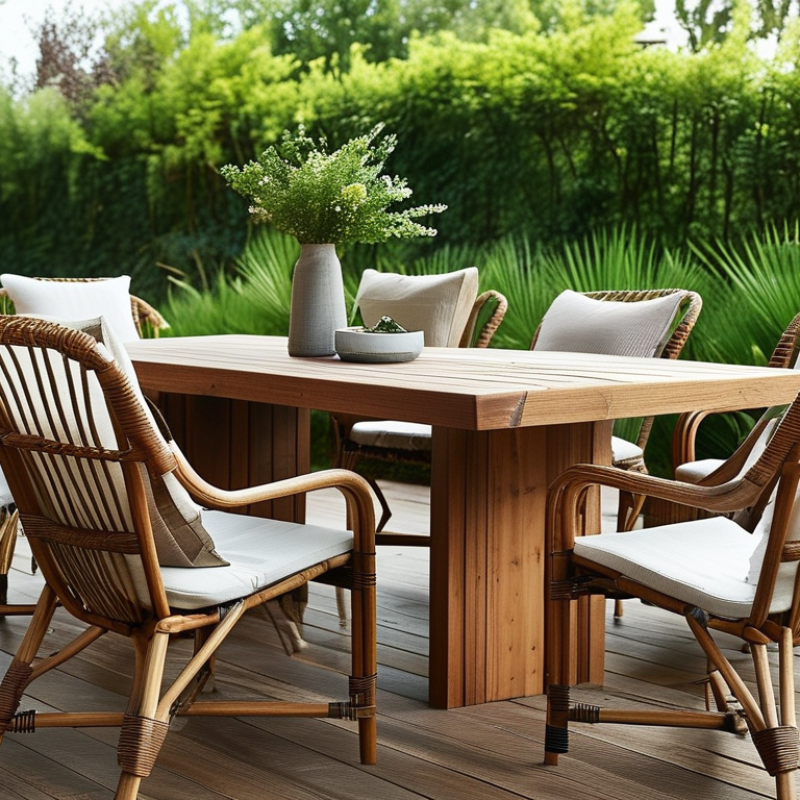
How to choose the best material for outdoor furniture?

Types of Materials Commonly Used for Outdoor Furniture

When choosing outdoor furniture, the material plays a crucial role. Different materials offer various benefits and drawbacks. Each type has its unique characteristics that cater to different needs and lifestyles.

Wood is a popular choice for its natural beauty. Teak and cedar are durable yet can weather and require maintenance.
Metal options, like aluminum, are lightweight and resistant to rust, but they can get hot under the sun. Meanwhile, synthetic materials, such as resin or plastic, are often weather-resistant and easy to clean, yet they may lack the aesthetic appeal of wood or metal.

Lastly, fabric choices for cushions and upholstery also matter. Sun-resistant and waterproof fabrics will last longer outdoors. However, they can sometimes fade over time. Choosing the right outdoor furniture material demands careful consideration of aesthetics, durability, and maintenance needs, reflecting personal style and practical requirements.

Factors to Consider When Choosing Outdoor Furniture Materials

When selecting materials for outdoor furniture, durability is a priority. Wood, metal, and synthetic options each bring distinct benefits and challenges. According to industry reports, teak and eucalyptus wood are popular for their natural resistance to moisture and pests. However, wood can require maintenance, such as sealing and staining, to prolong its lifespan.

Metal is robust and stylish. Aluminum is lightweight and rust-resistant, making it suitable for various climates. Meanwhile, wrought iron offers strength but can be heavy and may rust without proper treatment. Experts suggest opting for powder-coated finishes to enhance durability.

Synthetic materials like polypropylene and resin wicker have surged in popularity. These options resist fading and are easy to clean. They mimic natural fibers and wood while providing the strength necessary for outdoor conditions. Remember, while synthetic materials can be lower-maintenance, they might lack the classic aesthetic of natural wood or metal.

Tips: Always consider your climate when choosing materials. If you live in a coastal area, prioritize rust-resistant options. For sunny regions, UV-resistant materials are crucial. Regular maintenance can reduce long-term costs and increase enjoyment of your outdoor space.

Durability and Weather Resistance of Different Materials

When choosing outdoor furniture, considering material durability and weather resistance is crucial. Each material has its unique strengths and weaknesses. For example, metal is often strong and resistant to various weather conditions. However, certain metals can rust without proper care. Proper coatings can enhance resistance, but they may wear off over time.

Wood is another popular choice, offering a classic aesthetic. Teak and cedar stand out for their natural resistance to rot and insects. Still, they require regular maintenance, like oiling, to maintain their finish. Some woods can warp or crack under extreme temperatures and moisture levels. Given these details, weigh your options for long-term use carefully.

Synthetic options are becoming increasingly common. Materials like resin wicker can mimic the look of natural fibers while providing excellent resistance to UV rays and moisture. Nevertheless, they may fade over time and can feel less authentic than wood. Balancing aesthetic preferences with durability and resistance will make your final choice worthwhile.

How to Choose the Best Material for Outdoor Furniture?

Maintenance Requirements for Outdoor Furniture Materials

When selecting materials for outdoor furniture, maintenance is crucial. Different materials require varying levels of care. For instance, wood, a popular choice, demands regular sealing or oiling to prevent moisture damage. Without consistent maintenance, wood may warp or crack under harsh weather conditions. This can lead to reduced longevity, which is not ideal for outdoor settings.

Metal furniture, while durable, also requires attention. Aluminum is lightweight and resistant to rust. However, it can suffer from surface scratches if not handled carefully. Regular cleaning with mild soap and water can preserve its appearance. On the other hand, wrought iron tends to rust without proper treatment. Regular inspections and touch-up paint can mitigate this issue.

Synthetic materials offer low maintenance but come with reflection points. While they resist fading and are easy to clean, they can become brittle over time. It's essential to weigh these factors when considering overall durability. Ultimately, understanding the specific maintenance requirements of each material will inform a better choice for your outdoor space.

Aesthetic Appeal and Style Options for Outdoor Furniture Materials

Choosing the right material for outdoor furniture can greatly influence its aesthetic appeal and style. Wood offers a classic look. Teak, for instance, is known for its rich color and durability. According to a recent industry report, wooden furniture retains 70% of its value after five years if properly maintained. However, it requires regular care to prevent weathering.

Metal options, like aluminum, create a sleek and modern look. These materials can endure extreme weather conditions, making them appealing for unpredictable climates. An interesting statistic indicates that metal furniture can last over 30 years with minimal upkeep. Yet, it may lack the warmth that wood provides, leading some homeowners to feel that it is too cold in appearance.

Wicker or synthetic rattan offers a versatile and casual vibe. Its lightweight nature makes it easy to rearrange, adding flexibility to outdoor spaces. This material can withstand moisture without damage. However, some pieces may fade over time under strong sunlight. It’s essential to balance aesthetic goals with practical concerns when selecting furniture materials.

FAQS

: What materials are best for outdoor furniture?

: Wood, metal, and synthetic materials are popular choices for outdoor furniture. Each has unique benefits.

How does weather affect outdoor furniture materials?

Weather can impact durability. Metal can rust, while wood may crack. Synthetic can fade in strong sunlight.

Is wood furniture high-maintenance?

Yes, wood requires regular care, like sealing and oiling, to maintain its finish and appearance.

Which wood types are ideal for outdoor use?

Teak and eucalyptus are great choices for outdoor furniture due to their moisture and pest resistance.

How do synthetic materials compare to natural ones?

Synthetic materials are lower-maintenance and resistant to fading but may lack the classic look of natural materials.

What should I consider for coastal areas?

In coastal areas, prioritize rust-resistant metals and materials that can withstand salty air to prolong durability.

Can I achieve a classic look with metal furniture?

Metal can be stylish but may not provide the warm aesthetic of wood. Consider this when choosing.

How can I maintain the appearance of outdoor furniture?

Regular cleaning and maintenance can prolong the lifespan and appearance. Don’t overlook minor repairs and touch-ups.

What is the lifespan of metal outdoor furniture?

With proper care, metal furniture can last over 30 years, making it a durable option for outdoor spaces.

Do all synthetic materials require maintenance?

While synthetic materials are low-maintenance, some may need occasional cleaning to retain their look and color.

Conclusion

When considering how to choose the best material for outdoor furniture, it is essential to explore various types of materials commonly used in the market. Key factors to contemplate include the durability and weather resistance of materials, as outdoor furniture must withstand diverse environmental conditions. Additionally, maintenance requirements can significantly affect the longevity of your furniture, with some materials demanding more care than others.

Another crucial aspect is the aesthetic appeal and style options available, which can greatly influence your outdoor space's overall look. Understanding these elements will empower you to make informed decisions that align with both practical needs and personal style when selecting outdoor furniture materials.

Sophia

Sophia

Sophia is a dedicated marketing professional with an exceptional depth of knowledge about her company's products and services. With a keen understanding of market trends and customer needs, she crafts insightful blog posts that not only inform but also engage readers, enriching the company’s online......