When considering patio sets, many find themselves asking, "Why should I invest in aluminum instead of iron for patio sets?" This choice can significantly impact your outdoor space's aesthetics and longevity. Aluminum offers unique advantages over iron, making it a popular choice among homeowners.
Aluminum is lightweight and resistant to rust, ensuring your patio set will endure various weather conditions. Unlike iron, which can corrode and require extensive maintenance, aluminum stands the test of time. This durability means fewer repairs and replacements, ultimately saving you money.
Additionally, aluminum can have a sleek and modern design that complements different styles. It is available in various colors and finishes, allowing for customization. Iron, while sturdy, often comes with limited design options. The combination of functionality and style makes aluminum an attractive choice for many. However, some may miss the classic appeal of iron. Careful consideration of your preferences and needs is essential before making a final decision.
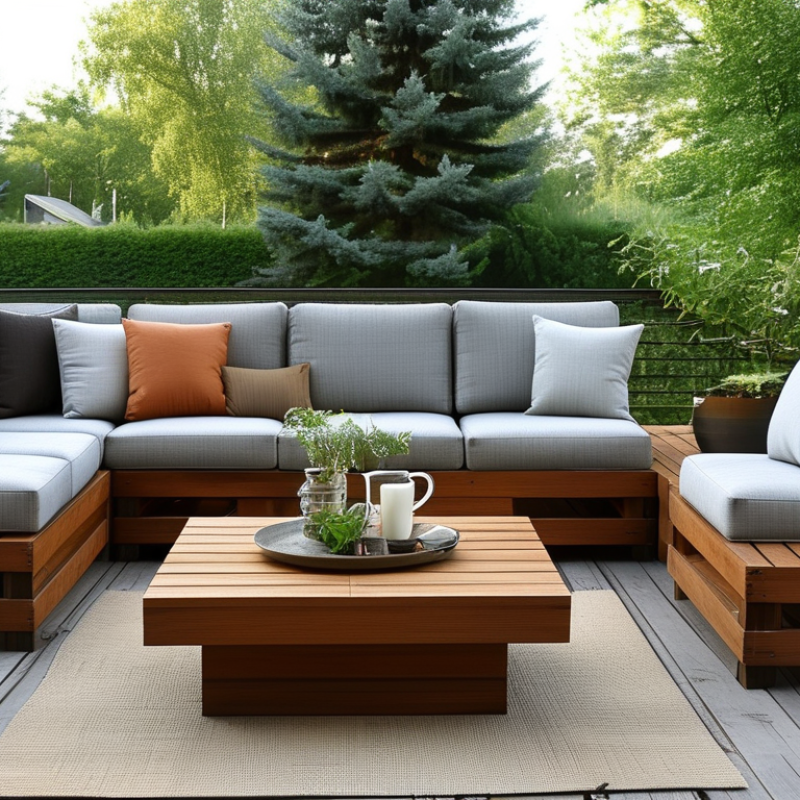
Understanding the Differences Between Aluminum and Iron Patio Sets
When choosing patio sets, understanding the material differences is crucial. Aluminum is often favored for its lightweight and durable properties. According to the Outdoor Furniture Association, aluminum patio furniture accounts for approximately 35% of the market. This versatility makes it an excellent choice for various outdoor settings.
In contrast, iron furniture, while sturdy, comes with significant drawbacks. It can be heavy and prone to rust, requiring more maintenance. Industry statistics indicate that about 50% of iron outdoor furniture owners report issues with deterioration after a few years of outdoor exposure. Aluminum, on the other hand, does not rust. It’s more resistant to the elements, making it a better long-term investment.
The aesthetic appeal differs as well. Aluminum can be made in numerous designs and finishes, lending to modern or traditional styles. Iron tends to have a heavier, ornate look but lacks versatility in design. The choice ultimately depends on your preferences, though maintaining iron can prove burdensome. Each material has its own merits, but aluminum often emerges as the more practical option for outdoor durability and ease of use.
Benefits of Aluminum Patio Sets Compared to Iron Options
When considering patio sets, aluminum emerges as a superior choice compared to iron. Aluminum patio sets are notably lighter. This feature makes them easy to move and rearrange, perfect for adapting your outdoor space. Iron sets can be cumbersome and difficult to shift, especially when weather changes require quick adjustments.
Moreover, aluminum does not rust. This property is especially beneficial for humid environments or coastal areas. Iron furniture often requires protective coatings to combat rust, which can wear off over time. Therefore, aluminum offers low maintenance and longevity with minimal fuss.
**Tip:** When selecting an aluminum patio set, look for powder-coated finishes. This option provides extra protection against scratches and fading.
Another significant aspect is aesthetics. Aluminum can be crafted into sleek, modern designs that complement various outdoor styles. Iron, while classic, often has a heavier, more traditional appearance. This versatility appeals to different tastes.
**Tip:** Consider your outdoor color scheme. Aluminum is available in various colors that can enhance your overall design.
In the end, aluminum patio sets frequently stand out for their combination of practicality and style, making them a fantastic choice for outdoor lounging.
Comparison of Aluminum vs Iron Patio Sets
Factors to Consider When Choosing Material for Your Patio Set
When considering aluminum over iron for patio sets, several key factors emerge. One significant advantage is aluminum's resistance to rust and corrosion. According to a report from the American Society of Civil Engineers, aluminum lasts 20-30 years longer than iron in outdoor settings. This durability can reduce long-term replacement costs. A well-constructed aluminum set may weigh less than an equivalent iron design, making it easier to rearrange your outdoor space.
A second factor is maintenance. Aluminum typically requires less upkeep compared to iron. A simple rinse with soap and water can keep aluminum looking new. Meanwhile, iron often needs regular painting to prevent rust. This can be time-consuming and tedious. Furthermore, aluminum offers a broader range of finishes and colors. A survey by the Outdoor Furniture Association noted that 75% of consumers prefer the modern look of aluminum styles.
Consider also the environmental impact. Aluminum can be recycled indefinitely without losing quality. In contrast, iron recycling processes can have a larger carbon footprint. Studies reveal that aluminum production accounts for about 7-10% less greenhouse gas emissions than iron production. These insights can lead you to make a more informed choice for your outdoor living space, balancing aesthetics with durability and sustainability.
How to Choose Aluminum Over Iron for Your Patio Sets? - Factors to Consider When Choosing Material for Your Patio Set
| Factor |
Aluminum |
Iron |
| Weight |
Lightweight |
Heavy |
| Durability |
Highly corrosion resistant |
Prone to rusting |
| Maintenance |
Low maintenance |
Requires regular upkeep |
| Cost |
Usually more affordable |
Typically more expensive |
| Aesthetics |
Modern look, various finishes |
Classic, traditional appearance |
| Eco-friendliness |
Recyclable |
Recyclable but energy-intensive to produce |
Maintenance Requirements for Aluminum vs. Iron Patio Sets
When considering patio sets, maintenance is key.
Aluminum and iron differ significantly in upkeep.
Aluminum is lightweight and rust-resistant. It needs minimal care. Just a quick wash with soap and water can keep it looking new. This ease of maintenance is a major advantage for busy homeowners.
In contrast, iron requires diligent attention. Iron often rusts if not properly treated. Regular inspections and protective coatings help prevent deterioration. Cleaning is essential, but can be labor-intensive. You might need to sand down areas where rust is forming. This time-consuming work may not appeal to everyone, especially those who prefer a low-maintenance lifestyle.
Overall, while aluminum offers simplicity and durability, iron has traditional appeal. Weighing the pros and cons of maintenance can guide your choice. Reflect on how much time you want to invest. A well-informed decision enhances your outdoor experience.
Aesthetic Appeal: How Aluminum Compares to Iron in Outdoor Design
When it comes to outdoor design, aesthetic appeal is crucial. Many homeowners face a choice between aluminum and iron for patio sets. Aluminum offers several advantages that can elevate the overall look of your outdoor space. It has a sleek, modern appearance that complements various architectural styles. According to a report by the Outdoor Industry Association, over 60% of consumers prefer aluminum for its lighter weight and versatility in design.
Iron, while classic, can often appear bulky or dated. Aluminum provides a chic option without sacrificing durability. It resists rust and corrosion, keeping it looking fresh for years. Many reports highlight that aluminum furniture can survive harsh weather conditions better than iron. Aesthetic considerations should include colors and finishes. Aluminum can be easily painted or anodized, offering homeowners a variety of choices for customization.
Tips: When selecting aluminum patio sets, consider the color palette of your outdoor area. A light-colored aluminum set can brighten a small space. Don't overlook the importance of texture; textured finishes can add depth to your design. Additionally, think about the weight; aluminum is easier to move, allowing for flexibility in your setup. Remember, choosing the right material is not just about looks but functionality too.
FAQS
: Aluminum is lightweight and rust-resistant, while iron is sturdy but heavy and prone to rust.
Aluminum withstands elements well and does not rust, making it ideal for humid or coastal areas.
Aluminum needs minimal care, just soap and water. Iron requires regular inspections and protective coatings.
Yes, aluminum can be crafted into various modern designs, making it more versatile than iron.
Iron can be cumbersome to move, and rust may require time-consuming maintenance to manage.
Consider factors like maintenance needs, design preferences, and the amount of time you can commit to upkeep.
Look for powder-coated finishes for extra protection against scratches and fading.
Aluminum offers sleek, modern designs while iron typically has a heavier, more traditional appearance.
Aluminum's durability and low maintenance can lead to cost savings over time compared to iron.
Think about your lifestyle and the amount of time you're willing to spend on patio maintenance.
Conclusion
When considering outdoor furniture, many homeowners find themselves asking, "Why should I invest in aluminum instead of iron for patio sets?" This article explores the fundamental differences between aluminum and iron options, highlighting the numerous benefits of choosing aluminum. Aluminum patio sets are lightweight, rust-resistant, and easier to maintain compared to their iron counterparts, making them an attractive option for outdoor spaces.
Additionally, aesthetic appeal plays a significant role in the decision-making process. Aluminum can offer sleek and modern designs that complement various outdoor styles, while also being available in a wide range of colors and finishes. Factors such as durability, maintenance requirements, and overall visual impact should be carefully weighed when selecting the perfect material for your patio set. Ultimately, aluminum presents a practical and stylish choice for creating an inviting outdoor environment.

 TwinVibe Furniture