China Top 10 Banquet Chairs How Long Do They Last?

Time:2026-09-15 Author:Ethan
0%

China’s banquet chair industry serves hotels, wedding venues, conference centers, and rental companies worldwide. Yet appearance alone cannot predict service life. A glossy frame may hide weak welds, compressed foam, or loose fasteners. This guide examines China’s top 10 banquet chairs through practical durability factors, not factory claims alone.

How long does a typical banquet chair last under heavy use? In demanding venues, a realistic range is three to seven years. Better commercial models may reach eight to ten years with proper handling, inspection, and part replacement. However, heavy stacking, outdoor exposure, uneven floors, and frequent transport can shorten that estimate. Small details matter. A bent rear leg can become a safety concern within months.

The assessment refers to recognized industry frameworks, including EN 16139 for non-domestic seating and relevant ANSI/BIFMA durability principles. These standards focus on repeated loading, stability, strength, and structural performance. FIRA seating research also emphasizes testing beyond showroom appearance, especially for joints, upholstery, and long-term use. Market data from BIFMA’s business and institutional furniture reports shows continued demand for durable commercial seating, although market growth does not prove a chair’s lifespan. That distinction is important.

Each chair in this comparison will be reviewed for steel gauge, weld quality, load capacity, corrosion resistance, cushion recovery, fabric abrasion, stacking design, and after-sales support. We will also consider supplier transparency. A perfect ranking is impossible. Usage conditions differ too much. Still, these practical benchmarks can help buyers identify chairs that survive crowded banquet halls rather than merely impress during delivery.
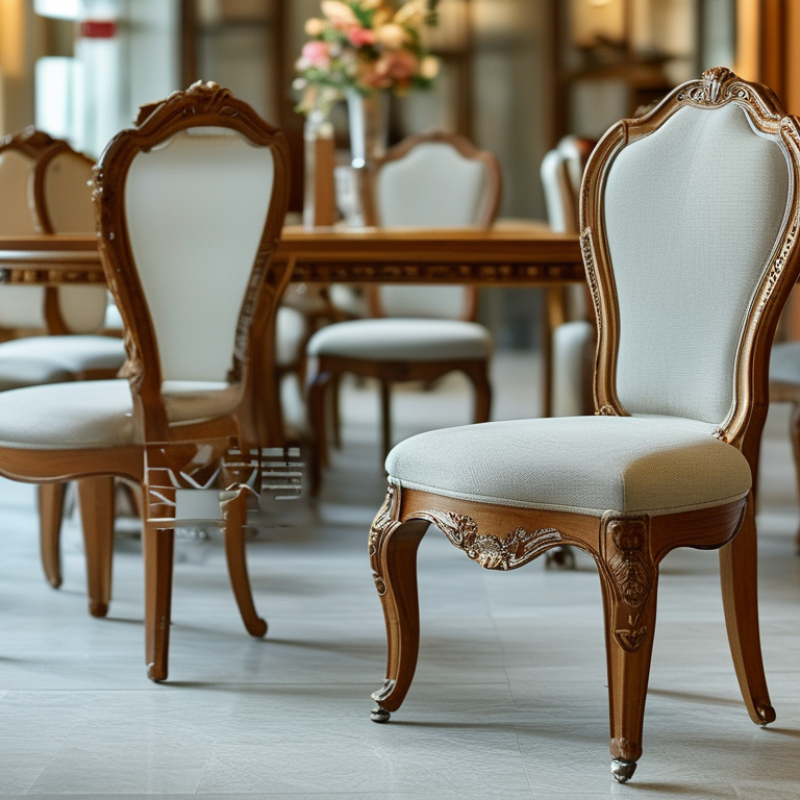
China Top 10 Banquet Chairs How Long Do They Last?

What Are China’s Top 10 Banquet Chair Types?

China’s top ten banquet chair types serve different venues and budgets. Chiavari chairs suit weddings, while resin folding chairs handle frequent outdoor use. Steel folding chairs offer strength and easy storage. Wooden folding chairs bring warmth to community halls. Stackable plastic chairs are light, practical, and simple to clean. Upholstered banquet chairs improve comfort during long dinners. Cross-back chairs create a rustic, elegant appearance. Bentwood chairs provide curved support and visual softness. Conference banquet chairs fit hotels and meeting rooms. Heavy-duty nesting chairs save space in busy event warehouses.

Durability depends on frame material, welding quality, fabric, and daily handling. A well-maintained metal chair may last eight to fifteen years. Resin models often serve five to ten years under regular commercial use. Upholstery may need replacement earlier, especially near food service areas. Inspect each joint, glide, and seat connection before purchase. A chair can look perfect and still fail under repeated movement. I would not judge quality from photographs alone. Specifications sometimes sound stronger than real warehouse performance.

Tips: Ask for load testing records and sample chairs. Sit, lift, fold, and stack them repeatedly. Check whether feet remain level on hard floors. Keep chairs dry, tighten loose fittings, and avoid dragging them. Small scratches are manageable. Bent frames are not. Track repair costs for one season, then review whether the original choice was truly economical.

China’s Top 10 Banquet Chair Types: How Long Do They Last?

The chart shows typical commercial service life estimates for widely used banquet chair types in China. Actual durability depends on frame material, weld quality, daily usage, storage, cleaning, and maintenance. These figures are practical industry estimates rather than manufacturer warranties.

How Long Do Different Banquet Chairs Typically Last?

Banquet chairs do not share one fixed lifespan. Material, construction, storage, and daily handling change the answer. In busy Chinese event halls, steel folding chairs commonly serve eight to fifteen years. Plastic chairs often last five to ten years, especially under sunlight and frequent stacking. Aluminum frames may reach ten to fifteen years because they resist rust but can bend. These are working ranges, not promises.

Solid wood banquet chairs can remain usable for ten to twenty years when kept dry. Loose joints appear earlier if staff drag them across rough floors. Upholstered stackable chairs usually last seven to twelve years. Fabric stains, compressed foam, and weakened stitching may force replacement before the frame fails. A chair can look attractive yet feel unstable. That matters. In my experience, monthly checks reveal problems that annual inspections miss. Check welds, screws, glides, seat boards, and backrest movement. Do not judge durability by appearance alone.

Usage intensity is decisive. A hotel hosting two events weekly may keep chairs for fifteen years. A rental company moving them every weekend may replace similar chairs within five years. Moisture, overloaded stacks, and careless truck loading shorten service life quickly. Manufacturer specifications help, but real records are more reliable. Track repairs, damaged units, and storage conditions. I would allow a safety margin, because my estimates can be optimistic. That uncomfortable detail deserves attention.

Which Materials and Designs Affect Chair Lifespan?

In commercial banquet venues, chair lifespan often ranges from five to ten years. Materials and construction decide where a chair falls within that range. A welded steel frame usually tolerates repeated handling better than a lightly bolted frame. Aluminum is lighter and resists rust, but softer tubing can dent under rough transport. Solid wood feels warm and repairable, while plywood may offer better consistency between batches.

Seat and back materials also matter. High-density foam keeps its shape longer than low-density foam, especially during daily events. Vinyl upholstery handles spills well, but heat and sharp objects can cause cracking. Woven fabric looks refined, yet it may absorb stains and require deeper cleaning. Polypropylene seats resist moisture and impact, although prolonged sunlight can make some plastics brittle. Materials alone do not guarantee durability.

Design details often reveal the real difference. Reinforced joints, stable leg geometry, protective floor glides, and balanced weight improve service life. Stackable chairs reduce storage space, but excessive stacking can scrape frames and deform cushions. Replaceable glides and seat covers make maintenance more practical. In routine venue checks, loose fasteners and uneven feet appear earlier than major frame damage. Even good chairs fail.

A chair rated for commercial use still needs sensible loading and careful movement. Dragging it across concrete can damage feet within weeks. Humid storage can weaken wood components and encourage hidden corrosion. I would also question impressive weight ratings when weld quality, fasteners, and inspection records are unclear. A slightly heavier chair may last longer, but only if staff can move it without repeated impacts.

How Do Usage and Maintenance Impact Durability?

China Top 10 Banquet Chairs: How Long Do They Last?

Usage and maintenance often determine how long banquet chairs remain safe, stable, and presentable. In busy halls, chairs may be moved dozens of times each week. A well-built metal-frame chair can often serve for five to ten years. Light commercial use may extend that period. Heavy daily use can shorten it considerably.

I have inspected chairs with strong frames but damaged seats. The cause was usually careless stacking, not poor materials. Dragging chairs across concrete loosens joints and scratches protective coatings. Lift them instead. Stack them evenly, and follow the manufacturer’s height limit. Uneven piles can bend frames overnight. That small detail matters.

Keep chairs dry after cleaning. Moisture trapped beneath fabric may create odors, stains, or hidden corrosion. Use a soft cloth and mild cleaner, then allow complete air drying. Check screws, welds, glides, and seat connections every few months. Replace worn glides before floors and frames suffer. Fabric needs attention too. Vacuum dust from seams, and treat spills quickly.

Not every chair follows the schedule. A chair used outdoors, overloaded, or stored in damp conditions may fail earlier. Annual records help reveal patterns, although many facilities skip them. That is a mistake worth reconsidering. Durability is not only a material issue. It reflects handling habits, storage discipline, cleaning routines, and timely repairs.

When Should Banquet Chairs Be Repaired or Replaced?

China Top 10 Banquet Chairs: How Long Do They Last?

Banquet chairs often last five to ten years in busy venues. Careful handling can extend that period. In my experience, daily stacking causes more damage than regular seating. Check each chair after events, especially when staff move hundreds of units quickly. Look for loose joints, cracked welds, bent frames, torn fabric, and unstable legs. A chair that rocks on a flat floor needs attention immediately. Small problems rarely stay small.

Repair is reasonable when the frame remains straight and the damage is limited. Replace worn glides, tighten fasteners, or renew damaged upholstery. Repairs should restore strength, not only improve appearance. A repaired chair must support normal use without shifting or creaking. Remove chairs with deep frame cracks, broken welds, severe rust, or permanent distortion. They may fail suddenly during a crowded event. Appearance matters, but stability matters more.

Tips: Keep chairs dry, stack them evenly, and avoid dragging them across concrete. Record repairs and inspection dates. Test several chairs after storage, not just the cleanest ones. A simple checklist helps staff notice repeated faults. My replacement rule is practical, not perfect. If repair costs approach half the chair’s replacement cost, compare both options carefully. Also consider comfort, fabric condition, and expected event frequency. A chair can look acceptable while hiding serious structural wear.

China Top 10 Banquet Chairs: How Long Do They Last? — When Should Banquet Chairs Be Repaired or Replaced?

No. Common Banquet Chair Type Typical Construction Estimated Service Life Suitable Use Level Repair When Replace When Preventive Maintenance Interval
1 Steel Chiavari Chair Powder-coated steel frame with a removable seat pad 8–12 years High-frequency hotels, wedding venues, and event halls Minor coating chips, loose fasteners, worn seat fabric, or replaceable floor glides Frame deformation, severe rust at structural joints, cracked welds, or repeated instability Inspect every 3 months; tighten fasteners every 6 months
2 Aluminum Banquet Chair Lightweight anodized or powder-coated aluminum frame 10–15 years Frequent setup and breakdown where low weight is important Loose joints, scratched finish, damaged glides, or replaceable upholstery Bent load-bearing rails, cracked aluminum, or permanent rocking after adjustment Inspect every 6 months; clean and check joints quarterly
3 Resin Folding Banquet Chair Glass-fiber-reinforced resin seat and back with a steel folding frame 7–10 years Indoor and covered outdoor events with regular folding Damaged glides, loose hinge hardware, faded surface, or replaceable seat components Cracks through the seat or back, failed folding locks, or distorted frame tubes Inspect hinges and locks before every major event
4 Wood Banquet Chair Hardwood or engineered-wood frame with upholstered seat and back 8–15 years Hotels, restaurants, conference rooms, and formal dining spaces Loose joints, surface scratches, worn upholstery, or minor finish damage Split structural members, extensive moisture damage, wood-boring insect damage, or unstable joints Inspect every 6 months; refinish or tighten joints as needed
5 Upholstered Steel Banquet Chair Welded steel frame with foam cushioning and fabric or vinyl upholstery 8–12 years Daily banquet, meeting, and dining operations Torn fabric, compressed foam, loose screws, damaged glides, or superficial corrosion Broken welds, bent frame members, exposed sharp edges, or corrosion affecting structural strength Inspect every 3 months; deep-clean upholstery every 6–12 months
6 Stacking Banquet Chair Steel or aluminum frame designed for vertical storage 8–12 years Venues requiring rapid room conversion and compact storage Stacking bumpers, glides, fasteners, seat covers, and minor alignment issues Chairs no longer stack safely, frames twist under normal load, or structural welds fail Check stacking alignment and protective bumpers monthly
7 Folding Steel Banquet Chair Painted or powder-coated tubular steel with a folding mechanism 6–10 years Community centers, schools, rental operations, and multipurpose halls Hinge lubrication, loose bolts, worn glides, seat replacement, or minor paint damage Folding lock failure, cracked welds, severely bent legs, or repeated opening problems Test hinges and locking mechanisms before each use
8 Plastic Folding Chair Injection-molded polypropylene with a steel folding frame 5–8 years Occasional events, training rooms, and budget-focused facilities Replaceable feet, loose hardware, surface stains, or minor frame adjustments Visible plastic cracks, brittle material, failed hinges, or a frame that cannot stand level Inspect before every event; keep away from prolonged direct sunlight
9 Cross-Back Banquet Chair Wood or metal frame with a decorative cross-back design 7–12 years Weddings, restaurants, hospitality venues, and themed events Loose decorative joints, worn finish, damaged glides, or replaceable upholstery Cracked cross-back members, severe frame movement, or damage that creates a snag or impact hazard Inspect joints and backrest connections every 3–6 months
10 Church-Style Banquet Chair Lightweight metal frame with upholstered seat and back 7–10 years Banquet rooms, worship spaces, seminars, and conference venues Loose links, worn upholstery, damaged glides, bent non-structural parts, or missing connectors Failed linking hardware, unstable legs, broken welds, or exposed sharp structural components Inspect connectors and legs every 3 months
Service-life estimates assume normal indoor use, correct weight limits, proper storage, and routine inspection. Replace any chair immediately when it presents a safety risk, even if its expected service life has not been reached.

FAQS

How long can banquet chairs usually last?

They often last five to ten years in busy venues. Careful handling may extend their service life. Heavy daily use can shorten it.

What causes banquet chairs to wear out quickly?

Dragging chairs across concrete loosens joints and scratches protective coatings. Careless stacking can bend frames overnight. Usage habits matter more than many people expect.

How should banquet chairs be stacked?

Lift chairs instead of dragging them. Stack them evenly and follow the recommended height limit. Uneven piles create pressure on frames and legs.

How can moisture damage banquet chairs?

Trapped moisture beneath fabric can cause odors, stains, or hidden corrosion. Wipe chairs with a soft cloth and mild cleaner. Let them dry completely.

What parts should staff inspect regularly?

Check screws, welds, glides, seat connections, legs, and fabric seams. Inspect chairs every few months and after busy events. A rocking chair needs immediate attention.

When is repairing a banquet chair reasonable?

Repair it when the frame remains straight and the damage is limited. Replace worn glides, tighten fasteners, or renew damaged upholstery. Strength matters more than appearance.

When should a banquet chair be replaced?

Replace chairs with deep cracks, broken welds, severe rust, or permanent distortion. Remove unstable chairs before crowded events. Small faults grow.

How can facilities choose between repair and replacement?

Compare repair costs with the chair’s replacement cost. If repairs approach half the replacement cost, review both options carefully. Comfort, fabric condition, and event frequency also matter.

Does outdoor or damp storage reduce chair durability?

Yes. Outdoor exposure, overloading, and damp storage can cause earlier failure. Keep chairs indoors when possible and inspect stored units before use.

Are maintenance records really necessary?

Annual records can reveal repeated faults and careless handling patterns. Record inspections, repairs, and replacement dates. Many facilities skip this step, and that may be a mistake.

Conclusion

China’s top 10 banquet chair types include folding chairs, stacking chairs, metal-frame chairs, wooden chairs, resin chairs, plastic chairs, upholstered chairs, Chiavari-style chairs, cross-back chairs, and padded banquet chairs. Their service life depends on construction quality, materials, design, and usage conditions. How long does a typical banquet chair last under heavy use? In general, a well-made commercial chair may last five to ten years, while premium models can remain functional even longer with proper care.

Heavy stacking, frequent transport, uneven floors, moisture, and excessive weight can shorten a chair’s lifespan. Strong frames, reinforced joints, durable coatings, quality fasteners, and replaceable upholstery usually improve long-term performance. Regular cleaning, careful handling, inspections, tightening loose hardware, and prompt repairs can prevent minor damage from becoming a safety concern. Chairs should be repaired when problems are limited to hardware, finish, or upholstery, but replacement is more appropriate when frames are bent, joints are unstable, or structural damage cannot be reliably corrected.

Ethan

Ethan

Ethan is a seasoned marketing professional with a deep expertise in our company's innovative product line. With a passion for sharing knowledge and insights, he takes the lead in regularly updating our corporate blog, where he explores industry trends, product features, and effective marketing......