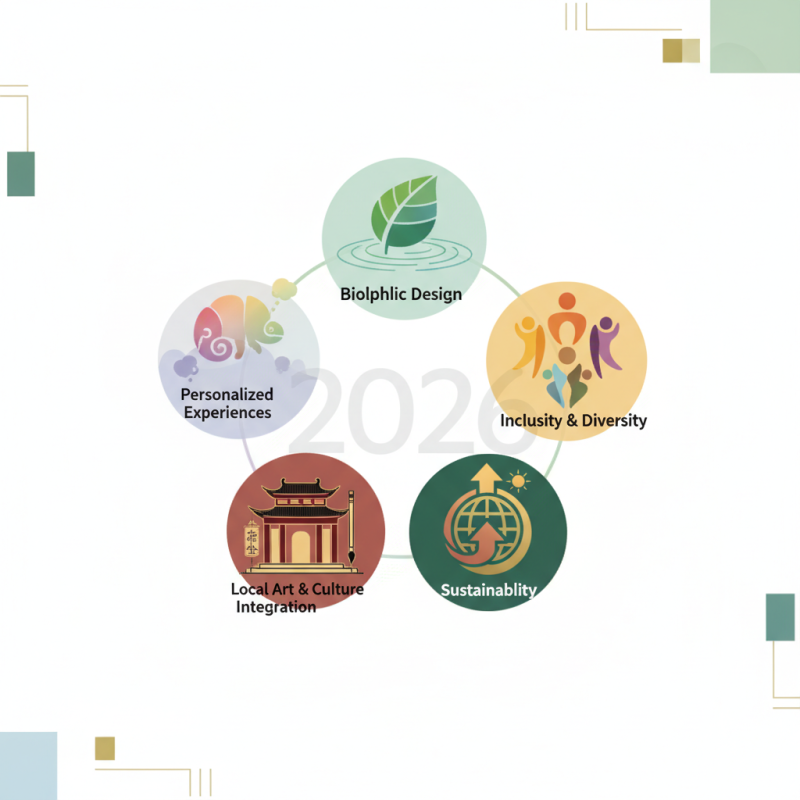
As the restaurant industry evolves, designers are adapting to new consumer expectations and technological advancements. What are the latest trends in restaurant interior design for 2026? This question drives industry professionals to explore innovative concepts and sustainable practices. With a growing emphasis on personalized experiences, eateries will likely embrace more eclectic themes, integrating local art and culture into their designs.
Biophilic design is becoming prominent, introducing natural elements into restaurant spaces. Imagine dining surrounded by lush greenery or calming water features. These features can foster a sense of serenity and connection to nature. Additionally, the focus on sustainability will shape choices in materials and furnishings, promoting eco-friendly options. However, the challenge lies in finding a balance between aesthetics and functionality.
Aesthetic choices will also reflect broader social movements. Inclusivity and diversity in design will resonate with patrons seeking authentic experiences. While aiming for uniqueness is essential, designers must also ensure that spaces remain accessible and welcoming. The future of restaurant interior design is exciting yet complex, requiring constant adaptation and thoughtful reflection on what truly matters to diners.
In 2026, Chinese restaurant design is expected to embrace vibrant and unexpected color palettes. Rich jewel tones like emerald green and ruby red will dominate the scene. These colors reflect the deep cultural heritage of China and resonate with modern aesthetics. They create a lively environment that attracts diverse clientele.
Past trends favored minimalism, but this year, bolder choices are emerging. Bright yellows and oranges are also making waves, encouraging a sense of warmth and community. Accent walls adorned with intricate designs can enhance the dining experience. Lighting will play a crucial role, highlighting these daring colors effectively.
However, choosing colors wisely remains essential. Not all bold palettes work in harmony. Some diners may feel overwhelmed by too much brightness. Balance is vital, combining bold shades with neutral elements for a soothing effect. Designers must navigate these challenges, ensuring that the restaurant feels welcoming and exciting at once. The interplay of colors and design will shape the dining culture in 2026.
As the restaurant industry evolves, innovative spatial arrangements are becoming essential for creating memorable dining environments in China. Unique layouts can enhance the dining experience by fostering interaction and comfort. Open kitchens promote transparency, while private corners cater to intimate gatherings. These concepts help to create a dynamic atmosphere that resonates with patrons.
Tips: Consider your target audience when designing space. Families might appreciate larger tables, while couples may prefer secluded spots. Flexibility in seating arrangements can accommodate diverse needs. Thoughtful placement of furniture and decor can guide the flow of conversation and movement, leading to a harmonious experience.
The integration of technology with design opens new possibilities. Digital menus or interactive tables can change how diners engage with their meal. Yet, it's important to balance high-tech amenities with a warm ambiance. Relying too much on technology can create a sterile environment. Reflect on how technology enhances or detracts from the dining experience, keeping customer comfort and connection at the forefront.
Sustainable materials are transforming restaurant interiors. In 2026, eco-friendly practices will dominate design trends. Consumers increasingly seek dining spaces that reflect environmental responsibility. Using natural materials like reclaimed wood and recycled metals creates a warm atmosphere. Such choices speak volumes about a restaurant’s values.
Consider incorporating plants into your design. Greenery can enhance aesthetics while purifying the air. However, maintenance can be challenging. Choose low-maintenance plants if upkeep is a concern. Invest in furniture crafted from sustainable materials to reinforce your commitment to the environment. It’s a smart move that resonates with eco-conscious diners.
Lighting will also play a key role. Energy-efficient LEDs can drastically lower energy usage, but they must be well-integrated into the overall design. This requires careful planning and creativity. Think about how to balance aesthetics with practicality. A striking light fixture can serve as a focal point while still being eco-friendly.
In 2026, restaurant interior design in China will increasingly reflect cultural influences. The fusion of traditional aesthetics with modern themes is evident in many eateries. A recent report by the China Cuisine Association noted that 70% of diners appreciate culturally-themed decor. This trend highlights a growing demand for authenticity in dining experiences.
Design elements such as bamboo accents, calligraphy, and traditional color palettes are gaining popularity. Many establishments are investing in local artisans to create unique pieces. These choices not only enhance aesthetics but also evoke a sense of cultural pride. Minimalist approaches are gaining traction among younger consumers, with many favoring clean, simple lines. However, some may argue that this could overshadow rich cultural narratives.
Data from the National Restaurant Association indicates that 55% of consumers consider ambiance crucial when selecting dining venues. Restaurants must balance cultural representation with contemporary design. The challenge lies in ensuring these elements resonate authentically with customers. As tastes evolve, some venues may struggle to maintain a cohesive theme. Adapting to these expectations while being true to cultural roots requires ongoing reflection and innovation.
As we look toward 2026, integrating technology into restaurant designs is paramount. Smart solutions will shape the dining experience. According to a recent report by the National Restaurant Association, 70% of consumers prefer establishments that use technology to enhance service. This trend includes everything from mobile ordering systems to automated kitchen equipment.
The focus on efficiency and personalization is evident. For instance, facial recognition systems at the entrance could customize menus based on customer preferences. Yet, privacy concerns linger. Some consumers feel uneasy with data collection practices,despite the convenience offered. Balancing innovation and trust will be crucial in the years to come.
Another evolving aspect will be smart kitchen designs. IoT-enabled appliances will streamline operations in 2026. A McKinsey study highlighted that restaurants using smart tech could reduce food waste by up to 30%. However, the initial investment may be challenging for many small businesses. Restaurants must carefully weigh the benefits against costs, emphasizing the need for a thoughtful approach.
| Design Trend | Description | Technology Integration | Expected Impact |
|---|---|---|---|
| Sustainable Design | Use of eco-friendly materials and energy-efficient systems. | Integration of smart energy management systems. | Reduction in operational costs and enhanced customer appeal. |
| AI-Powered Service | Utilization of AI for personalized dining experiences and service efficiency. | Chatbots and AI-driven recommendation systems. | Increased customer satisfaction and reduced wait times. |
| Virtual Reality (VR) Experiences | Incorporation of VR for immersive dining experiences. | VR headsets for customers during their meals. | Enhanced engagement and unique dining experiences. |
| Flexible Spaces | Designs that adapt to different dining situations. | Smart furniture and movable partitions. | Ability to accommodate varying guest needs and events. |
| Biophilic Design | Incorporating natural elements into the dining space. | Smart growing systems for indoor plants. | Improved air quality and customer well-being. |
: Vibrant jewel tones like emerald green and ruby red will dominate. Bright yellows and oranges will also be popular.
Lighting highlights colors, creating a lively atmosphere. Energy-efficient LEDs can reduce energy usage while enhancing aesthetics.
Some bold palettes can overwhelm diners. Balancing bold shades with neutral elements creates a welcoming environment.
Natural materials like reclaimed wood and recycled metals are favored. They create a warm atmosphere and reflect environmental values.
Plants enhance aesthetics and purify air. Low-maintenance options help if upkeep is a concern for the restaurant.
Many restaurants are blending traditional and modern themes. Consumers appreciate authenticity in the dining experience.
Continuous reflection and innovation are needed. Balancing cultural representation with contemporary design can be challenging.
Around 55% consider ambiance crucial. Restaurants need to create an inviting environment that resonates with customers.
While sustainable choices are important, careful planning is necessary. Designers must balance aesthetics with practicality.
There’s a growing demand for authenticity and cultural themes. Younger consumers often prefer minimalist styles, which may overshadow rich narratives.
The article explores the latest trends in restaurant interior design for 2026, addressing the question, "What are the latest trends in restaurant interior design for 2026?" One prominent trend is the emergence of vibrant color palettes that reflect modern aesthetics while maintaining a connection to traditional Chinese culture. Innovative spatial arrangements and layouts are also gaining popularity, focusing on creating intimate yet functional dining environments that enhance the customer experience.
Additionally, there is a significant push towards sustainability, with more restaurants opting for eco-friendly materials and practices in their interiors. Cultural influences continue to shape restaurant aesthetics, leading to themes that resonate with local heritage. Finally, the integration of smart technology is transforming restaurant designs, providing enhanced convenience and efficiency, which is likely to be a defining characteristic of the dining experience in 2026.
TwinVibe Furniture