Can I use indoor chairs for a covered outdoor patio? Yes, sometimes, but protection from direct rain does not create an indoor environment. Covered patios still experience humidity, wind-driven moisture, temperature changes, dust, and occasional splashes. Those conditions can weaken wood joints, stain fabric, and cause metal hardware to rust. Richard Frinier, an internationally recognized outdoor furniture designer, has emphasized this practical principle: “Outdoor furniture must be designed for the environment, not merely placed in it.” His point matters here. Indoor chairs may look attractive, but appearance alone does not prove outdoor durability.
The safest choices are indoor chairs made from solid, sealed wood, powder-coated metal, or tightly woven synthetic materials. Avoid delicate upholstery, untreated rattan, particleboard, and chairs with exposed steel screws. Check the patio after heavy rain. Is the floor damp? Does sunlight reach the chair during the afternoon? Can air circulate underneath the seat? These details change the answer. Use breathable, water-resistant cushions, and lift chairs onto rubber feet if moisture collects below them. Never wrap damp chairs in plastic; trapped humidity can encourage mildew.
A test chair helps.
Place one chair outside for two to four weeks. Inspect its legs, joints, finish, and fabric after humid mornings and storms. I would not promise permanent performance from ordinary dining chairs. That would be careless. Still, a covered, ventilated patio can work for selected indoor chairs when maintenance is consistent. Bring them inside during severe weather, dry spills quickly, and re-seal wooden surfaces when they appear dull or rough. The imperfect truth is simple: protection reduces risk, but it never removes it.
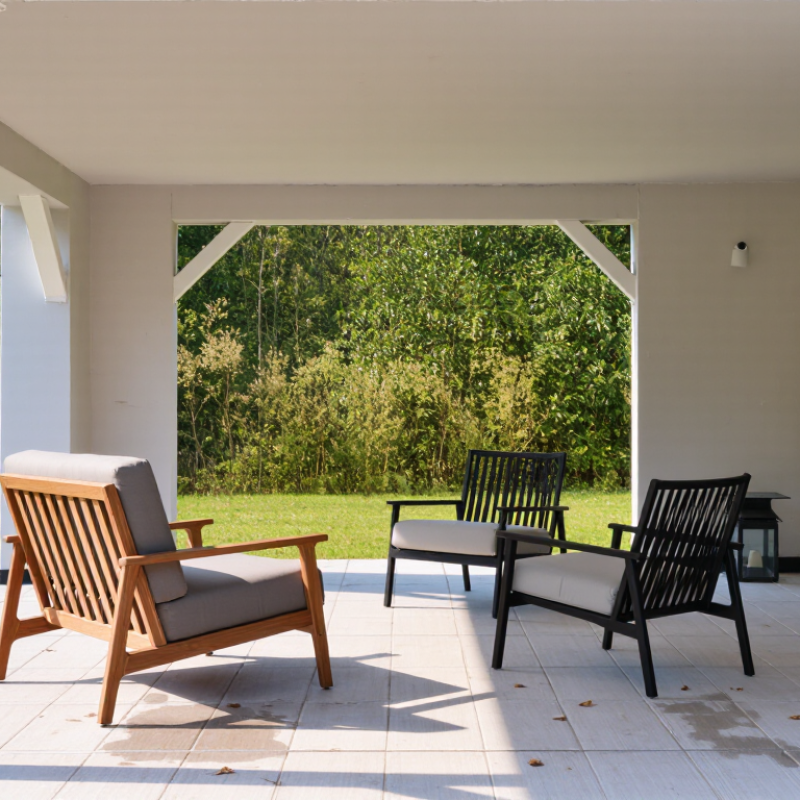
Indoor chairs can work on a covered patio, but their design differs from true patio furniture. Indoor chairs usually use untreated wood, fabric, foam, or finishes made for stable room conditions. A covered patio still receives humidity, dust, windblown rain, and indirect ultraviolet light. The roof helps, but it does not create an indoor climate.
Patio furniture uses materials that tolerate repeated moisture and temperature changes. Powder-coated metal resists surface rust when its finish remains intact. Outdoor-grade wood is often sealed more carefully, while patio cushions use quicker-drying foam and water-resistant covers. These details affect comfort and safety. Indoor foam may hold moisture after a damp evening, creating odors or mildew. Delicate fabric can also fade near bright openings.
I have used indoor chairs outside briefly, and the risk seemed small during dry weather. My judgment changed after several humid weeks. The chair legs absorbed moisture, and the seat felt clammy each morning. Not ideal. Before placing one on a patio, check its care instructions, exposed sunlight, airflow, and distance from rain. Keep it on a dry surface, avoid leaving it outside overnight, and inspect joints regularly. A chair may look fine while hidden damage develops underneath. I would also test one inexpensive chair first, rather than moving an entire dining set outdoors. That cautious approach feels slower, but it reveals how the specific patio actually behaves.
Sometimes, but only for brief periods in dry weather. A roof blocks direct rain, not humidity, dust, windblown moisture, or ultraviolet light. It is not truly indoors.
Indoor foam may hold moisture after a humid evening. The cushion can feel cool and clammy the next morning. Odors or mildew may follow.
Inspect seams, chair legs, joints, and the underside of each seat. Look for swollen wood, rust, peeling finish, dark spots, or loose connections.
Replace them when moisture remains trapped or damage keeps returning. Outdoor-rated seating makes more sense when the patio stays humid or cannot dry within one day.
Not always. Strong afternoon light can fade delicate fabric, while airborne moisture reaches areas under the roof. I once trusted a roof too much.
Test one inexpensive chair before moving an entire dining set. Keep it on a dry, raised surface. Avoid leaving it outside overnight.
Choose frames made for repeated moisture and temperature changes. Breathable cushions, water-resistant covers, and fade-resistant fabric are useful details.
A cover helps reduce dust and moisture, but it cannot fix poor ventilation. Air must circulate beneath the chair. Otherwise, dampness may remain hidden.
Check them after wet weather and during humid periods. Press the cushion, examine the joints, and notice any rocking. Small movement can signal weakening connections.
Usually, yes. If a chair requires repeated drying, indoor storage, or stain treatment, outdoor-rated seating may be more practical. My judgment could be imperfect. Conditions differ.
Can I use indoor chairs for a covered outdoor patio? In many cases, yes, but their suitability depends on the patio’s level of protection and the chair’s materials. Indoor chairs are generally designed for stable, dry conditions, while patio furniture is built to handle humidity, temperature changes, sunlight, and occasional moisture. A covered patio can provide enough shelter when it has a solid roof, limited wind exposure, and good drainage, allowing indoor chairs to work for occasional use.
To extend their life, keep chairs away from open edges, rain splash, damp walls, and areas with direct afternoon sunlight. Use breathable covers, place them on a dry surface, and wipe away moisture promptly. Good airflow is also important because trapped humidity can cause swelling, mildew, rust, or fabric odors. Inspect the chairs regularly for fading, weakened joints, stains, and water damage. If these problems continue despite proper care, replacing them with outdoor-rated seating will provide better durability, comfort, and safety over time.

 TwinVibe Furniture