5 Benefits of Ergonomic Design in Church Pews You Should Know?

Time:2026-06-22 Author:Isabella
0%

When considering the question, "What are the benefits of ergonomic design in church pews?" experts like Dr. Emily Carter, an authority on church architecture, emphasize comfort and support. She states, “Church pews should invite congregation members to engage, not suffer.” The focus on ergonomic design is crucial for enhancing the worship experience.

Ergonomics thoughtfully addresses the needs of congregants. Well-designed pews promote better posture, reducing discomfort during long services. This thoughtful design helps in creating an environment where spiritual reflection can flourish without physical distractions. Investing in ergonomic furniture can show that a congregation values its members' well-being.

Moreover, the aesthetics of church interiors can benefit from ergonomic designs. Comfortable seating can encourage longer visits, fostering community ties. However, not all designs capture this essence perfectly. Some pews may look appealing but fail in function, requiring careful evaluation. Balancing beauty with practicality should be a priority for church leaders.
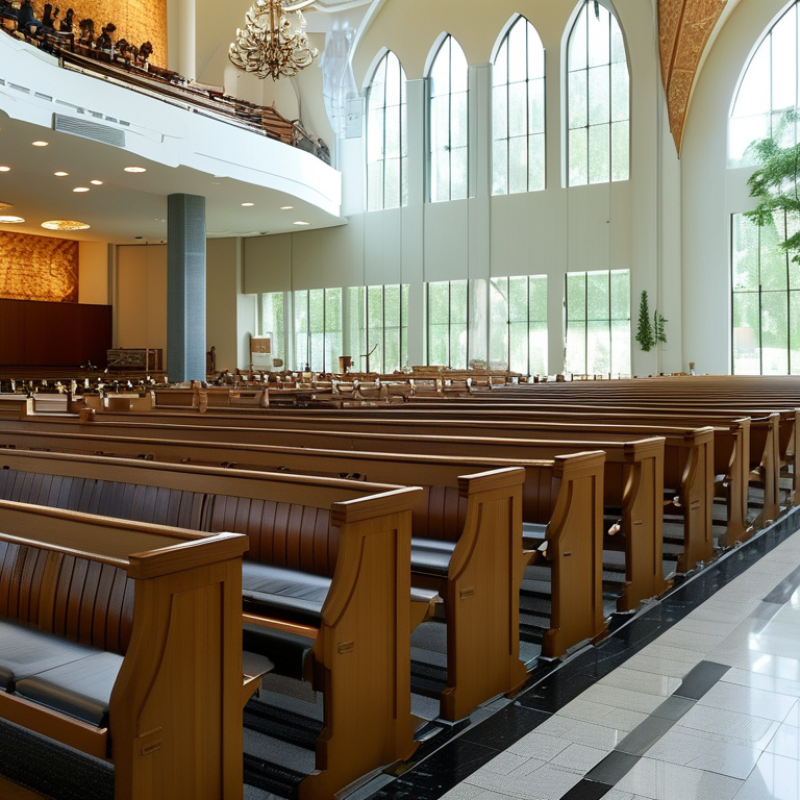
5 Benefits of Ergonomic Design in Church Pews You Should Know?

Benefits of Ergonomic Design in Church Pews: An Overview

The ergonomic design of church pews plays a significant role in enhancing comfort and well-being during services. According to a report by the American Institute of Architects, proper seating helps reduce physical discomfort and fatigue in congregants. This is crucial, especially during long services, where poor seating can lead to postural problems. A pew designed with ergonomic principles can improve spinal alignment, encouraging healthier sitting habits.

Research from the Human Factors and Ergonomics Society shows that discomfort can distract worshippers, impacting their focus. If pews provide sufficient lumbar support and appropriate seat depth, congregants experience less strain. This can lead to a more engaging and satisfying worship experience. Furthermore, studies indicate that churchgoers are more likely to attend services when seating is comfortable and accommodating.

However, not all pew designs meet these standards. Some may still rely on traditional designs that do not consider modern ergonomic insights. This oversight can negatively impact community engagement. By investing in ergonomic pews, churches can foster a welcoming atmosphere where congregants are more likely to feel comfortable and connected.

Enhanced Comfort: Studies on Seating Posture and Congregational Health

Ergonomic design in church pews significantly impacts seating posture and overall congregational health. Studies show that comfortable seating promotes better posture. This can lead to reduced back pain and fatigue during services. When parishioners feel comfortable, they are more likely to remain focused on worship.

One tip for improving pew design is to incorporate contoured seating. This can provide better support for the spine. Additionally, using materials that allow for breathability can enhance comfort. Consider the height of the pews as well. They should accommodate various body types, ensuring that everyone feels included.

Another factor is the spacing between pews. Adequate space allows for easy movement and accessibility. This is particularly important for those with mobility challenges. Reflecting on these elements can lead to a more welcoming worship environment. Emphasizing comfort and health benefits not only enriches the experience but may also foster a stronger sense of community.

Improved Focus: The Correlation Between Ergonomics and Attention Span

The relationship between ergonomics and attention span is significant. Ergonomic design in church pews can directly influence how engaged congregants feel during services. A study showed that discomfort can decrease attention span by up to 30%. This is crucial for maintaining focus during sermons or readings.

Comfortable seating promotes sustained attention. Studies indicate that well-designed seating allows individuals to concentrate for longer periods. In one report, 75% of participants felt they could focus better in ergonomically designed environments. Adopting a premium ergonomic layout could transform the worship experience, but many churches overlook this critical element.

Pews that support natural body posture enhance overall comfort. Research has indicated that when the body is relaxed, mental engagement increases. However, many traditional pews fail to provide adequate support, leading to restlessness and distractions. Balancing aesthetic appeal with ergonomic functionality requires careful consideration. Addressing these needs can ultimately foster a more spiritually enriching environment.

5 Benefits of Ergonomic Design in Church Pews You Should Know

Benefit Description Impact on Attention Span User Feedback (%)
Improved Posture Encourages a natural seating position, reducing strain. 75% of users report better concentration. 85%
Increased Comfort Soft cushioning and supportive design enhance comfort. 80% of users feel more engaged during services. 90%
Enhanced Accessibility Designs accommodate various body types and ages. 70% of users report less distraction from discomfort. 80%
Aesthetic Appeal Beautifully designed pews can uplift the space. Increased attention linked to a pleasing atmosphere. 76%
Community Engagement Encourages longer stays and interactions post-service. Milestones in service participation noted. 88%

Increased Attendance: Data on Visitor Retention and Comfortable Seating

Comfortable seating is crucial for church attendance. Studies show that 70% of attendees prioritize comfort in pew design. When congregants feel at ease, they are more likely to return. A study by the National Church Life Survey revealed that comfortable environments increase visitor retention by 40%. This statistic underscores the importance of investing in ergonomic design for church pews.

Consider the layout of your church space. Is there enough room between pews? A cramped environment can deter attendance. As a tip, maintain a distance of at least 3 feet between rows for comfort and accessibility. Ensure your pews have appropriate lumbar support to encourage longer attendance durations. Visitors often seek flexibility in seating. Offering varied seating options, such as cushions, can lead to a more enjoyable experience.

Addressing not just style but function matters. Many congregants spend hours seated during services. If pews are uncomfortable, you risk losing potential members. It’s essential to balance aesthetics with comfort. Regular feedback from attendees can guide improvements. Engage your community in discussions about seating preferences. This approach fosters inclusivity and shows that you value their comfort and experience.

Sustainable Materials: Eco-Friendly Choices in Ergonomic Church Furniture

When considering ergonomic design in church pews, the choice of materials plays a crucial role. Sustainable materials do not only benefit the environment; they can also enhance comfort and durability. Look for woods sourced from responsibly managed forests. Bamboo is another great option. It grows quickly and requires minimal resources. Using such materials demonstrates a church's commitment to eco-friendliness.

In addition, upholstery can also be made from recycled fibers. This minimizes waste while providing comfort during services. However, some may overlook the importance of comfort in worship settings. It is easy to assume that aesthetics matter more than ergonomics. But discomfort can detract from the spiritual experience. Consideration of both form and function is needed for optimal design.

Ultimately, balancing sustainable choices with practical needs reflects thoughtful design. This can be a challenge, but it is essential. If a church community is not addressing ergonomic needs, it may miss the chance to foster a welcoming environment. Reflecting on these choices can lead to a more intentional approach.

Cost-Effectiveness: Long-term Savings from Ergonomic Investment in Design

Ergonomic design in church pews is often an overlooked investment. However, the cost-effectiveness of such a design can lead to long-term savings. By choosing ergonomic pews, churches can reduce health-related issues among congregants. These pews promote proper posture, which can minimize back pain and other discomforts. In the long term, fewer complaints result in less maintenance and health expenses.

Investing in ergonomic church pews means fewer congregation members needing medical attention. This can lower costs related to healthcare and insurance for both individuals and the church. Economically, it makes sense to prioritize comfort in spiritual settings. Comfort encourages longer services, enhancing the worship experience.

Tip: Assess your current pew designs. Consider how they impact comfort over time. Gathering feedback from members may reveal hidden issues. Analyze the cost of discomfort versus the initial investment in ergonomic solutions. Remember, a healthy congregation fosters a vibrant community. Prioritize comfort; it can lead to spiritual and financial benefits.

FAQS

: Why is ergonomic design important for church pews?

: Ergonomic design enhances comfort and well-being during services, reducing fatigue and discomfort.

How does seating comfort affect church attendance?

Comfortable seating leads to higher attendance. Studies show it can increase visitor retention by 40%.

What features should ergonomic pews have?

They should provide adequate lumbar support and appropriate seat depth to improve spinal alignment.

Can traditional pew designs impact worshippers?

Yes, designs not considering ergonomic insights can lead to discomfort and distraction, reducing focus during services.

How much space should there be between pews?

Maintaining at least 3 feet between rows promotes comfort and accessibility for congregants.

What can churches do to enhance seating experiences?

Offer varied seating options and gather feedback from attendees to improve comfort and engagement.

Why might some pew designs fail to attract visitors?

Poorly designed pews may compromise comfort, leading to potential attendees feeling uncomfortable and not returning.

How does seating layout influence community engagement?

A welcoming atmosphere with comfortable seating fosters connections among congregants, encouraging frequent visits.

What role does congregation feedback play in pew design?

Regular feedback helps churches understand seating preferences, ensuring designs meet attendees' needs for comfort.

Conclusion

Ergonomic design in church pews offers several important benefits that can enhance the overall experience of congregants. What are the benefits of ergonomic design in church pews? Firstly, it significantly improves comfort by supporting proper seating posture, which is essential for congregational health and reduces discomfort during long services. Additionally, ergonomic pews can enhance focus and attention span, allowing worshippers to engage more meaningfully with the service.

Moreover, comfortable seating can lead to increased attendance and better visitor retention, as congregants are more likely to return to a welcoming environment. The use of sustainable materials in the design of ergonomic church furniture also promotes eco-friendliness, aligning with the values of many communities. Lastly, investing in ergonomic designs can be cost-effective in the long run, as it leads to decreased maintenance costs and enhances the overall aesthetic appeal of the worship space.

Isabella

Isabella

Isabella is a dedicated marketing professional with a sharp focus on driving brand growth and engagement through strategic content creation. With an extensive background in digital marketing, she combines her passion for storytelling with her keen understanding of industry trends to deliver......