Are there fire safety standards for hotel furniture in the US? The short answer is yes, but the rules are not contained in one simple federal checklist. Hotel owners, designers, and purchasing teams must consider several overlapping requirements. These may include federal mattress flammability rules, state regulations, local building codes, and fire prevention standards.
Jim Shannon, former president of the National Fire Protection Association, stated, “Fire is fast, hot, dark, and deadly.” That warning is especially relevant in guest rooms, where upholstered chairs, mattresses, sofas, curtains, and wooden case goods can affect evacuation conditions. A chair beside a bed is not just a design choice. Its foam, fabric, seams, and ignition resistance may influence smoke development.
This guide explores seven practical tips for evaluating hotel furniture fire safety in the United States. It considers standards such as 16 CFR Part 1632 and Part 1633 for mattresses, along with NFPA guidance and applicable state requirements. California Technical Bulletin 117-2013 may also appear in furniture specifications, although it should not be treated as a universal substitute for every local code.
The details matter. Ask for current test reports, material specifications, and supplier declarations. Confirm that documents match the exact product, not merely a similar model. That step is often missed. A certificate can look convincing while covering different foam or fabric.
Requirements can change by jurisdiction and property type. Professional review remains important. Fire safety is not only a purchasing issue; it is a documented process involving design, testing, installation, inspection, and ongoing maintenance.
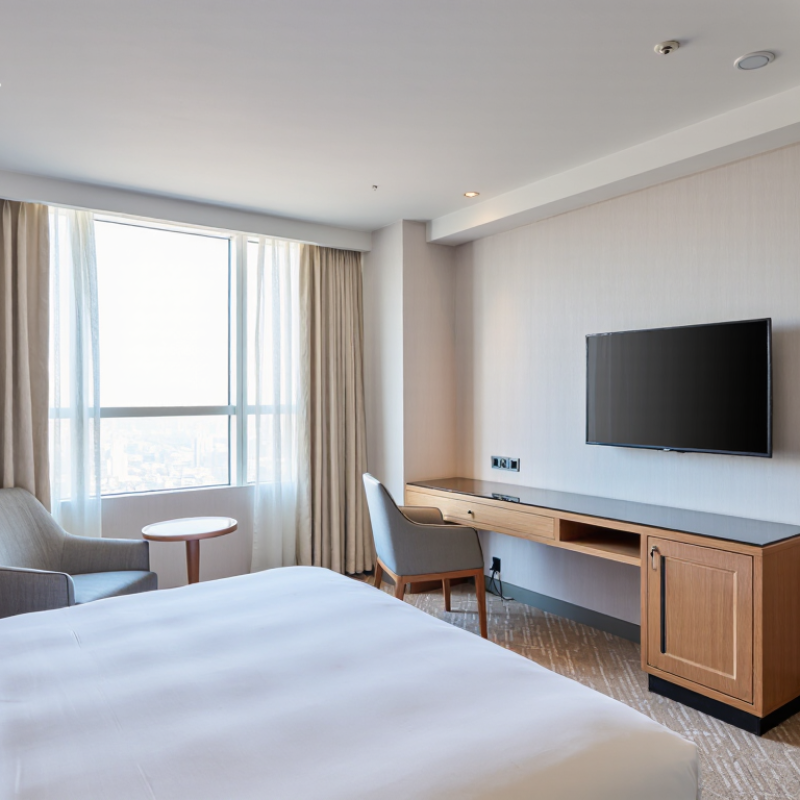
US Hotel Furniture Fire Safety Standards: Scope and Regulatory Basics
Hotel furniture compliance begins with scope. A sofa, lounge chair, mattress, and upholstered headboard may face different requirements. No single federal rule covers every hotel chair or couch. Mattresses and foundations must meet federal flammability rules under 16 CFR Parts 1632 and 1633. Upholstered furniture may also need state requirements, especially California TB117-2013, depending on sale location and procurement specifications.
A practical seven-point check includes materials, test reports, labels, foam construction, fabric ignition resistance, maintenance records, and installation conditions. The adopted fire code matters too. NFPA 101 addresses furnishings and life-safety conditions in lodging occupancies, but local authorities decide enforcement. Confirm requirements with the authority having jurisdiction before ordering replacement pieces. A passing fabric test is not a complete safety plan.
NFPA’s Hotel and Motel Fires report estimated 3,520 hotel and motel structure fires annually from 2016 to 2020. The same analysis reported about nine civilian deaths, 100 injuries, and 195 million dollars in direct property damage each year. These figures make routine inspection practical, not decorative. Check torn upholstery, exposed foam, blocked corridors, and poorly positioned heaters. Documentation can still be incomplete. That weakness deserves honest review. A supplier’s certificate should identify the exact fabric, filling, test method, and production model, rather than offering a vague compliance claim.
This chart shows the primary regulatory scope of major U.S. fire-safety benchmarks commonly reviewed for hotel furniture. A value of 1 means the product is generally within that benchmark’s primary scope; it is not a pass/fail result.
Key references: 16 CFR Part 1632 covers mattress and mattress-pad cigarette-smolder resistance; 16 CFR Part 1633 covers open-flame testing for mattresses and mattress sets; California Technical Bulletin 117-2013 addresses the flammability of resilient filling materials in upholstered furniture sold or supplied in California; NFPA 701 may apply to certain textile furnishings where adopted by the applicable authority.
Regulatory applicability depends on product construction, installation location, intended use, and the currently adopted code edition. Always confirm requirements with the relevant authority having jurisdiction.
Choosing fire-resistant hotel furniture starts with the material, not the label. Wool naturally resists ignition and can slow flame spread. Inherently flame-resistant polyester keeps protection after repeated cleaning. Treated cotton may perform well, but its protection can weaken through wear. Some materials pass laboratory tests only after chemical treatment. That detail deserves attention.
Look for upholstery with tested barrier fabrics beneath the cover. These barriers can separate ignition sources from foam and reduce flame growth. Steel or aluminum frames also limit combustible content. However, ordinary polyurethane foam is not automatically fire resistant. Ask suppliers for test reports covering the complete assembly, including fabric, foam, thread, adhesive, and seams. NFPA 260 and ASTM E1353 address cigarette ignition resistance for upholstered furniture components. Requirements can differ by state, room type, and contract specification.
The risk is practical. NFPA reported an average of 3,900 hotel and motel structure fires annually from 2014 to 2018. Those fires caused about 15 civilian deaths, 100 injuries, and 177 million dollars in annual property damage.
Small details matter. A torn seam can expose foam. A damaged coating may change performance. During procurement, request recent test dates, cleaning instructions, and replacement guidance. Do not rely on “fireproof” wording alone. It is vague, and sometimes misleading. A careful inspection after installation remains necessary.
Hotel upholstered furniture must be evaluated as a complete assembly, not only by its fabric. The cover, foam, batting, thread, and barrier layer can change fire performance. In the United States, requirements vary by state, city, occupancy classification, and the authority having jurisdiction. California TB 117-2013 is widely referenced for upholstered furniture, but it does not automatically replace local fire-code requirements. NFPA 260 may also help classify upholstery cover materials.
Tip 1: Request current test reports before approving chairs, sofas, or headboards. Check the exact fabric, filling, and construction listed in the report. A similar-looking material is not necessarily equivalent. Keep certificates, invoices, and product specifications together. This makes inspections less uncertain.
Tip 2: Ask whether the furniture meets the applicable smoldering and open-flame requirements. Some suppliers provide a label, but a label alone is not proof of every required test. Confirm the testing laboratory, test method, date, and sample construction. Details matter.
During renovation, replacing only the upholstery can create a compliance gap. New fabric may interact differently with old foam or adhesives. A practical inspection should examine seams, exposed foam, damaged barriers, and cigarette-prone areas near lounges. Maintenance teams should remove furniture with torn covers or compressed cushioning until it is assessed. I may sound overly cautious, but small construction changes can affect test results. Always verify the final requirement with the local fire marshal or code official before installation.
7 Tips on US Hotel Furniture Fire Safety Standards
Check Testing, Certification, and Compliance Records
Hotel furniture should arrive with more than a sales invoice. Request the complete fire-test report, certification letter, product specification, and production date. Check whether the report names the exact chair, sofa, mattress, or fabric used onsite. Small changes in foam, filling, fabric, or adhesive can affect performance. Ask for traceability.
Verify the testing method and its intended use. Upholstered seating may involve standards such as California Technical Bulletin 117-2013, while mattresses can involve federal flammability requirements. Local building and fire authorities may apply additional rules. Confirm the applicable requirements with the project’s authority having jurisdiction. Do not assume one test covers every property.
Review the laboratory’s credentials, report number, test date, sample description, and pass or fail result. Keep originals. Match certification records with purchase orders, labels, and delivery photos. Inspectors may question furniture without permanent identification. A missing label creates doubt. Record the model and batch information before installation. Store digital copies in a controlled folder, with access dates and revision history. When a supplier changes materials, request updated testing rather than relying on an older report. This step is often overlooked.
Records should remain available during renovations, inspections, and future purchasing. A certificate alone is not proof of ongoing compliance. It must connect the tested sample to the furniture in the guest room. Review the file carefully. Ask uncomfortable questions.
| Tip | Furniture Scope | Relevant US Requirement or Test | What to Verify | Compliance Records to Keep | Practical Compliance Check |
|---|---|---|---|---|---|
| 1. Identify the applicable jurisdiction before ordering | Guestroom chairs, sofas, lounge seating, benches, headboards, and other upholstered items. | US fire-safety obligations may come from state or local building, fire, and public-accommodation codes. NFPA 101 requirements can also apply when adopted by the authority having jurisdiction. | The adopted code edition, occupancy classification, room use, installation location, and any local amendments. | Code review notes, authority correspondence, approved product specifications, and inspection or permit documents. | Obtain written confirmation from the local authority or qualified code professional before large-scale procurement or installation. |
| 2. Confirm upholstery and filling performance | Upholstered seating and furniture containing textile coverings, foam, fiber filling, or composite cushions. | California Technical Bulletin 117-2013 is commonly used for evaluating upholstered furniture components and cover fabric, where applicable. It should not be treated as a universal federal requirement. | Whether the complete furniture assembly, cover fabric, resilient filling, and barrier materials were evaluated using the required method. | Laboratory test report, component descriptions, material composition, test method, test date, and specimen identification. | Check that the tested materials and construction match the furniture actually supplied, including fabric weight, foam type, seams, and barriers. |
| 3. Test complete assemblies, not only individual materials | Sofas, armchairs, ottomans, banquettes, upholstered bed components, and custom-built seating. | Assembly-level testing may be required by the project specification, adopted fire code, or authority having jurisdiction. Component results alone may not predict full-product behavior. | Frame design, cushion configuration, seams, zippers, voids, barrier layers, and attachment methods represented in the test specimen. | Full-scale or representative assembly test report, approved shop drawings, bill of materials, and change-control documentation. | Require retesting or written engineering evaluation when materials, dimensions, suppliers, or construction details change materially. |
| 4. Separate mattress requirements from furniture requirements | Mattresses, mattress sets, upholstered bed bases, and furniture used as sleeping surfaces. | Mattresses and mattress sets are subject to federal flammability requirements in 16 CFR Part 1632 and, where applicable, 16 CFR Part 1633. These rules are different from upholstered-furniture requirements. | Product category, intended use, federal applicability, labeling, and whether the mattress is sold as a set or separate unit. | Manufacturer compliance statement, applicable test reports, product identification, law labels, and purchase records. | Do not accept a general “fire-retardant” statement as a substitute for documentation showing compliance with the applicable mattress rule. |
| 5. Review laboratory qualifications and report details | All furniture for which a fire-test report or certification is submitted. | The report should identify the applicable method, specimen, conditioning, equipment, observations, results, and limitations. Accreditation may be required by a project or jurisdiction. | Laboratory identity, accreditation status where required, report number, issue date, test method, pass/fail criteria, and authorized signatory. | Complete signed report, accreditation evidence if requested, photographs or specimen records, and correspondence clarifying scope. | Reject reports that omit the tested construction, use vague method descriptions, or cover only a different model or material combination. |
| 6. Control substitutions and maintenance materials | Replacement upholstery, re-covered seating, repaired cushions, replacement foam, curtains attached to furniture, and refurbished items. | A change in cover fabric, filling, adhesive, barrier, or construction can invalidate the original test basis. Requirements depend on the adopted code and project specification. | Material equivalence, flame-spread characteristics where specified, compatibility with the original tested assembly, and repair method. | Approved substitution requests, updated material data, maintenance work orders, photographs, and post-repair inspection records. | Use a documented approval process before reupholstering or replacing foam, especially in corridors, assembly spaces, and guestroom public areas. |
| 7. Maintain a traceable compliance file | All fire-relevant furniture installed, stored, repaired, or replaced at the property. | Compliance depends on the applicable code, product category, test standard, procurement specification, and inspection requirements rather than on a single universal furniture certificate. | Asset identification, location, model or construction description, material lot, test linkage, installation date, and maintenance history. | Purchase orders, invoices, product data sheets, test reports, declarations, labels, inspection logs, repair records, and disposal or replacement records. | Review the file at least annually and whenever the code edition, furniture specification, supplier, upholstery, or installation location changes. |
Note: US hotel furniture fire-safety obligations vary by product type, state, municipality, adopted code edition, and authority having jurisdiction. Confirm the final requirements with the applicable local code official or qualified fire-safety professional.
US hotel furniture fire safety depends on disciplined inspection, maintenance, and replacement. Standards can vary by state, city, and occupancy classification. Confirm requirements with the local authority having jurisdiction and qualified fire-safety professionals.
Inspect guest-room chairs, sofas, mattresses, and upholstered headboards on a scheduled cycle. Look for cigarette burns, split seams, exposed foam, loose buttons, and damaged fire labels.
Check furniture near heaters, lamps, and exit paths. A clean chair can still contain hidden damage.
Record the room number, item condition, inspection date, and corrective action. Staff should photograph serious defects when appropriate. Small records prevent large arguments later.
Clean furniture only with approved methods and documented product guidance. Avoid untested covers, coatings, or fabric treatments. They may change the item’s fire performance.
Keep combustible furniture away from emergency equipment and electrical heat sources.
Train housekeeping and engineering teams to report damage immediately. Do not return repaired furniture until a competent person verifies its condition.
Replace items with deep burns, exposed padding, unstable frames, or missing compliance information.
Purchase documentation should identify the material, test information, and intended commercial use. Store those records with the property’s safety files.
Some teams replace too late. Others discard usable furniture without checking the evidence.
A practical review should challenge both habits. Safety decisions need consistency, not guesswork.
Request the fire-test report, certification letter, product specification, and production date. Keep the originals.
Check the exact chair, sofa, mattress, or fabric description. Compare it with purchase orders, labels, and delivery photos. Small material changes matter.
No. Seating, mattresses, and other products may follow different requirements. Confirm the applicable rules with the local authority and qualified professionals.
Review the laboratory credentials, report number, test date, sample description, and result. A certificate may look convincing, but it is not enough alone.
Labels connect the installed furniture with its tested sample. Record the model, batch, room number, and installation details before use. Missing labels create doubt.
Use a scheduled inspection cycle for chairs, sofas, mattresses, and upholstered headboards. Look for burns, split seams, exposed foam, loose buttons, and damaged labels.
Record the room, condition, inspection date, and corrective action. Photograph serious defects. Do not return repaired furniture before competent verification.
Replace items with deep burns, exposed padding, unstable frames, or missing safety information. Some teams wait too long. That habit deserves review.
No. Use approved methods and documented guidance. Untested treatments may change fire performance, even when the furniture looks clean.
Store digital copies in a controlled folder with access dates and revision history. Update testing when materials change. Old evidence may no longer fit.
Are there fire safety standards for hotel furniture in the US? Yes, hotels generally need to follow applicable federal, state, and local fire safety requirements, along with building and hospitality regulations. These rules may cover furniture used in guest rooms, lobbies, restaurants, and other public areas. Hotel owners and purchasing teams should select fire-resistant materials, evaluate foam, fabrics, wood components, and finishes, and confirm that upholstered furniture is designed to reduce ignition and flame-spread risks.
A reliable compliance program should include testing and certification documents from qualified laboratories, accurate product records, and clear supplier information. Hotels should also establish regular inspection and maintenance procedures to identify damaged fabric, exposed padding, weakened frames, or unsafe alterations. Furniture that cannot be repaired properly should be removed and replaced promptly. By combining suitable materials, documented testing, routine inspections, and responsible replacement practices, hotels can improve occupant safety and maintain stronger fire-prevention controls.

TwinVibe Furniture